
Buying a home is one of the biggest financial decisions for most families. However, thousands of homebuyers across India have faced years of uncertainty because residential projects have stalled midway due to funding shortages, legal issues, or financial stress among developers. In many cases, buyers were paying both EMIs and rent while waiting for possession.
To address this challenge, the Government of India launched the SWAMIH Fund (Special Window for Affordable and Mid-Income Housing Investment Fund) in 2019. The initiative focuses on providing last-mile funding to eligible residential projects so that construction can be completed and homes can finally be handed over to buyers.
For anyone searching terms like SWAMIH Fund 2026, stalled housing projects in India, government housing scheme, last-mile funding for real estate, or affordable housing investment fund, understanding how this initiative works is important.
If you’re looking to buy, sell, or explore properties in India, Openplot is one of the reliable property listing platforms where users can discover residential and commercial properties across various locations and connect with potential buyers or sellers.
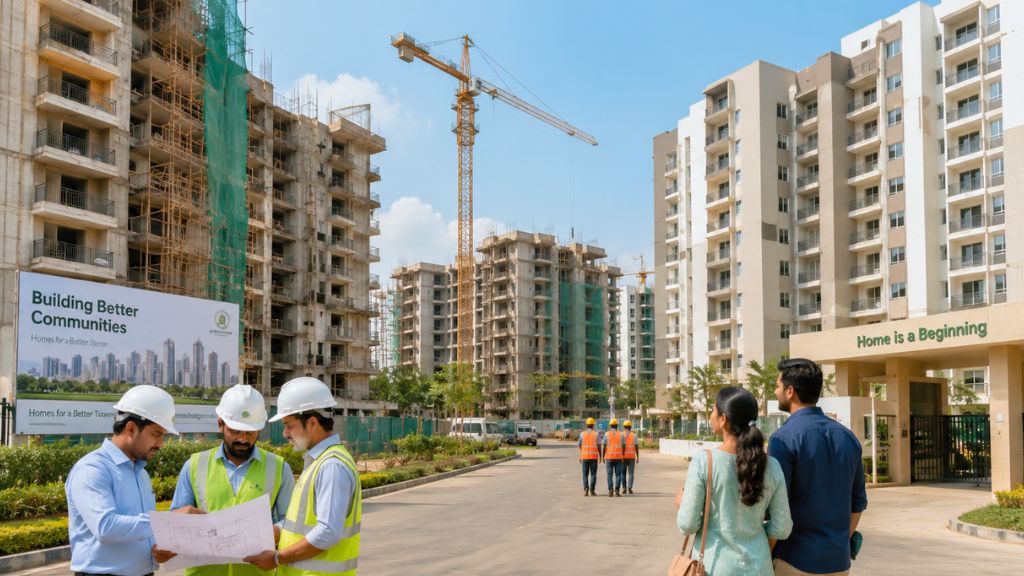
Table of Contents
What Is the SWAMIH Fund and Why Was It Created?
The SWAMIH Fund stands for the Special Window for Affordable and Mid-Income Housing Investment Fund. It is a government-backed investment platform created to provide last-mile debt financing to eligible residential projects that have stalled due to lack of liquidity.
Unlike schemes that provide subsidies directly to homebuyers, SWAMIH primarily supports housing projects, enabling developers to complete construction and deliver homes.
The objective is straightforward:
- Complete stalled residential projects
- Protect homebuyers waiting for possession
- Improve confidence in the housing sector
- Unlock capital stuck in incomplete developments
- Support affordable and mid-income housing
Rather than funding new projects from scratch, the fund focuses on developments that are already substantially built but require the final financial push for completion.
Read More: Government Subsidies for First-Time Home Buyers
How Does the SWAMIH Fund Work?
Many real estate projects reach an advanced stage of construction but run out of funds before completion. Traditional lenders may hesitate to provide additional financing because the project has become financially stressed or classified as a non-performing asset.
The SWAMIH Fund acts as a lender of last resort by providing structured debt financing to eligible projects.
Instead of investing directly in homebuyers, the fund finances qualifying residential developments through professionally structured financial instruments, allowing construction to resume and homes to be delivered.
The initiative is sponsored by the Government of India through the Ministry of Finance, while professional investment management is handled by the SBI group through its designated investment management entity.
Its primary goal is not simply maximizing profits but generating a broader social and economic impact by resolving housing delays affecting thousands of families.
Read More: PMAY vs State Housing Schemes: Which One is Better?
Which Projects Can Receive SWAMIH Funding?
Not every stalled project qualifies for funding. The fund follows specific eligibility parameters designed to ensure that the project has a realistic chance of completion.
Generally, eligible projects should:
- Be a Stalled or Potentially Stalled Residential Project: The project is facing financial difficulties that prevent timely completion without additional funding.
- Be Registered Under RERA: Regulatory compliance plays an important role. Eligible projects are expected to be registered under the applicable Real Estate Regulatory Authority (RERA).
- Have Significant Construction Already Completed: Projects generally need to have meaningful construction progress rather than being at the planning stage. Publicly available guidelines have indicated a substantial minimum level of completion.
- Demonstrate Positive Completion Economics: The expected value from sold receivables and remaining inventory should be sufficient to justify completion after considering the remaining construction cost and financial obligations.
- Focus on Affordable and Mid-Income Housing: The fund is specifically designed for affordable and middle-income residential developments rather than luxury housing projects.
Impact of the SWAMIH Fund on India’s Real Estate Sector
The SWAMIH Fund has become one of India’s most significant interventions for resolving stressed residential projects.
Based on publicly available information in 2026, the initiative has:
- Helped deliver tens of thousands of homes to waiting buyers
- Supported well over a hundred residential projects
- Covered projects across multiple Indian cities
- Unlocked significant value that was previously stuck in incomplete developments
- Generated demand across industries such as cement, steel, logistics, and construction services
Beyond financial recovery, the initiative has restored confidence among homebuyers who had invested their life savings in delayed projects.
For the real estate market, completing existing developments is often more efficient than leaving partially built structures abandoned while launching new projects elsewhere.
Why the SWAMIH Fund Matters for Homebuyers and Property Investors

For homebuyers, the biggest concern is often possession rather than booking a property. A delayed project can affect finances, lifestyle, and long-term planning.
The SWAMIH Fund attempts to reduce these risks by enabling eligible projects to move toward completion.
Better Possibility of Project Completion
Projects receiving structured last-mile funding have improved opportunities to complete pending construction work.
Relief for Families
Many buyers face the burden of paying both:
- Home loan EMIs
- Rental expenses
Completion of stalled projects can significantly reduce this financial pressure.
Increased Market Confidence
Government-backed intervention helps improve confidence in the affordable and mid-income housing ecosystem.
Economic Benefits
Completing stalled projects benefits multiple stakeholders:
- Homebuyers
- Construction workers
- Suppliers
- Financial institutions
- Local economies
What Openplot Users Should Know Before Choosing a Property
Whether a property is listed on Openplot or any other property platform, buyers should never rely solely on marketing materials. A careful evaluation of the project remains essential.
Before making a booking, consider checking:
- RERA Registration: Verify that the project is properly registered with the relevant state RERA authority and review its status and updates.
- Construction Progress: Visit the site whenever possible and compare actual progress with promised timelines.
- Developer Track Record: Review previous completed projects, delivery history, and customer feedback.
- Financial Stability: Understand whether the project has adequate funding and whether there are publicly known issues affecting construction.
- Legal Documentation: Ensure approvals, land ownership, and statutory permissions are appropriately documented.
- Possession Timeline: Ask for realistic timelines rather than relying only on promotional commitments.
A property listing platform like Openplot can help users discover projects and compare locations, but due diligence remains the buyer’s responsibility before investing.
Is SWAMIH Fund-2 Expanding the Initiative?
Following the progress of the original initiative, the government announced plans for another phase commonly referred to as SWAMIH Fund-2, with the objective of supporting additional stalled residential housing projects.
Publicly available reports indicate that the initiative aims to facilitate completion of a large number of pending housing units through a blended financing approach involving government participation and institutional investors.
As implementation evolves, specific operational details and funding structures may be updated through official announcements.
Can Individual Homebuyers Apply for the SWAMIH Fund?
This is one of the most common questions.
The answer is generally no.
The SWAMIH Fund operates at the project level, not the individual buyer level. Funding applications are typically made through eligible project stakeholders such as developers and associated entities rather than individual apartment purchasers.
If your residential project is stalled, coordinating with the developer or the relevant residents’ association may help you understand whether the project is pursuing such financing or other resolution mechanisms.
Conclusion:
The SWAMIH Fund represents one of India’s most significant efforts to revive stalled residential housing projects and protect homebuyers affected by construction delays. Instead of allowing partially completed developments to remain unfinished, the initiative focuses on providing the financial support needed to reach completion.
For prospective buyers searching for affordable housing, RERA-approved projects, or properties listed on platforms like Openplot, understanding the funding and completion status of a project is just as important as evaluating location and pricing.
As India’s housing sector continues to evolve, initiatives such as the SWAMIH Fund demonstrate how targeted financial intervention can benefit homebuyers, developers, and the broader economy.
Frequently Asked Questions
Why do residential housing projects get stalled in India?
Residential projects may get delayed due to funding shortages, legal disputes, regulatory approvals, changes in market conditions, or financial difficulties faced by developers. In many cases, construction is partially completed but requires additional capital to finish.
Does SWAMIH Fund provide home loans to individual buyers?
No. The SWAMIH Fund is designed to finance eligible residential projects rather than provide home loans or financial assistance directly to individual homebuyers. Buyers should approach banks or housing finance companies for personal home loans.
Is the SWAMIH Fund applicable to luxury housing projects?
The initiative primarily focuses on affordable and mid-income residential housing projects that meet the prescribed eligibility criteria. Projects outside these categories may not qualify under the fund’s objectives.
Can a project receive SWAMIH funding if construction has already started?
Yes. The fund is intended for brownfield residential projects where construction has already begun but is stalled or likely to stall due to a lack of adequate financing, subject to eligibility requirements.
Does receiving SWAMIH funding guarantee immediate possession of homes?
No. Funding helps eligible projects move toward completion, but the actual possession timeline depends on factors such as remaining construction work, approvals, infrastructure, and project execution.
How can homebuyers verify whether a housing project is RERA-registered?
Homebuyers can verify a project’s registration status by visiting the official website of the respective state’s Real Estate Regulatory Authority (RERA) and searching using the project’s registration number or developer details.
What is meant by last-mile funding in real estate?
Last-mile funding refers to the final round of financing required to complete a project that is already substantially under construction but lacks sufficient funds for completion and handover.
How does completing stalled housing projects benefit the economy?
Completing stalled projects supports employment, boosts demand for construction materials, improves cash flow in the real estate sector, strengthens buyer confidence, and helps utilize existing infrastructure more efficiently.
What should buyers verify before investing in an under-construction property?
Buyers should review the project’s RERA registration, developer track record, legal approvals, construction progress, payment schedule, possession timeline, and available documentation before making an investment decision.
More from Openplot Blog
Keep up with the latest news, market trends, and valuable insights from the Indian real estate sector through the Openplot Blog.
Openplot is a leading property listing platform that connects property buyers, sellers, investors, and real estate professionals across India. Through our blog and knowledge resources, we share informative articles, property market updates, buying and selling guides, investment tips, and legal information to help you make confident real estate decisions.
Whether you are searching for your dream property, planning to sell, exploring investment opportunities, or staying informed about market developments, Openplot provides useful resources to support your property journey.
Contact Openplot
📞 +91 9914146969, +91 9281064844
📍 Hyderabad, Telangana, India
Disclaimer: The content available on the Openplot Blog is provided solely for informational purposes. The information shared may be based on publicly available sources, industry trends, and general market observations, and it should not be considered legal, financial, investment, or professional advice. Readers should conduct their own research and consult qualified professionals before making any property, financial, legal, or investment-related decisions. Openplot is not responsible for any actions taken or losses incurred based on the information presented on this platform.