
Property records maintained by municipal authorities are often treated as routine administrative documents until an error creates a problem. A misspelled owner name, incorrect door number, inaccurate plinth area, or outdated property information may seem minor at first, but such discrepancies can become significant during a property sale, ownership transfer, loan application, or inheritance process.
For property owners in Warangal, correcting these errors usually involves working with the Greater Warangal Municipal Corporation (GWMC). However, the process depends largely on the type of correction required. While some ownership-related changes may be initiated online through mutation services, technical property details typically require verification by municipal authorities.
Understanding the distinction can save time and help property owners prepare the right documents before starting the correction process.
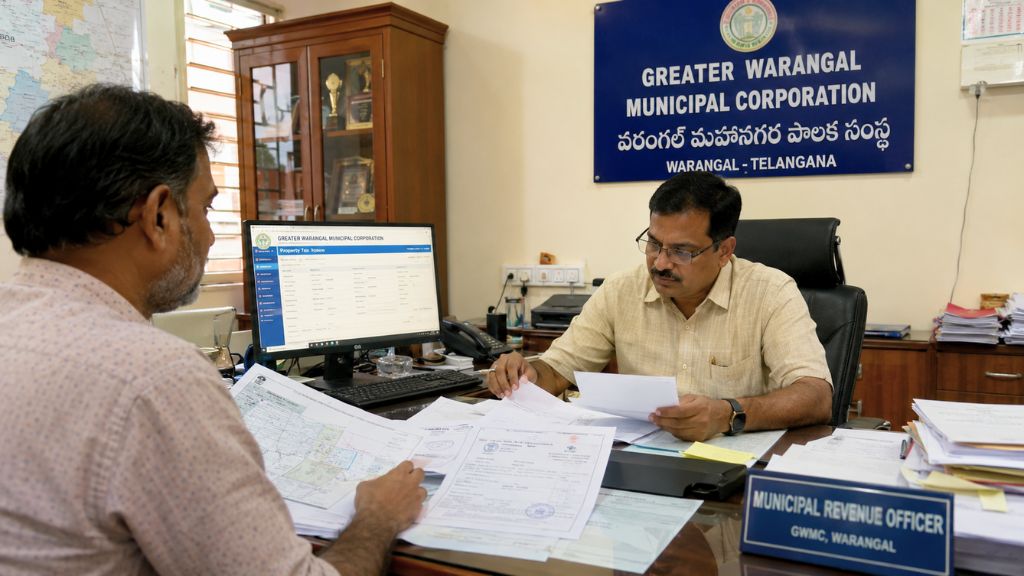
Table of Contents
Why Accurate Property Records Matter
Municipal property records serve as the basis for property tax assessment and help maintain an official record of ownership and property characteristics. When these records contain incorrect information, they can create confusion during transactions and administrative procedures.
Property owners often discover record discrepancies when:
Selling or Purchasing a Property
During document verification, buyers and legal advisors frequently compare municipal records with registered ownership documents. Any mismatch may require clarification before the transaction proceeds.
Applying for a Home Loan
Banks and financial institutions often review property-related records as part of their due diligence process. Inconsistent information can result in additional verification requirements.
Transferring Ownership
Ownership transfers through sale, gift, partition, or inheritance require supporting records to align with registered documents.
Paying Property Taxes
Incorrect property details can sometimes affect tax assessments, making it important to ensure municipal records accurately reflect the property’s status.
Understanding the Type of Correction Required
Not every correction follows the same process. In general, GWMC handles ownership-related changes differently from structural or assessment-related corrections.
Owner Name Corrections
If the owner’s name is incorrect due to a spelling error, ownership transfer, inheritance, gift deed, or sale transaction, the correction may often be processed through the mutation system available on Telangana’s municipal services platform.
These updates primarily affect ownership information rather than the physical characteristics of the property.
Structural and Property Detail Corrections
Corrections involving the property’s physical or assessment-related details generally require additional scrutiny. These may include:
- Incorrect plinth area
- Wrong door number
- Property type classification
- Building usage category
- Survey-related information
- Assessment discrepancies
Since such details can influence municipal records and tax calculations, verification by officials is typically required before changes are approved.
Can Property Details Be Corrected Online?
Many property owners assume that all corrections can be completed through an online portal. In practice, the availability of online services depends on the nature of the request.
Online Mutation for Ownership-Related Changes
Where ownership information needs to be updated, applicants may be able to use the online mutation application facility available through Telangana municipal services.
The process generally involves:
- Verifying a registered mobile number through OTP authentication
- Searching for the property using the Property Tax Identification Number (PTIN)
- Entering the required ownership correction details
- Uploading supporting documents
- Paying applicable mutation charges
- Submitting the application and obtaining an acknowledgment
Applicants should carefully review all information before submission to avoid additional processing delays.
Offline Process for Property Detail Corrections
For corrections involving plinth area, building characteristics, door numbers, or similar property details, municipal verification is generally required.
Property owners may need to visit the concerned GWMC Circle Office, Revenue Section, or Municipal Tax Office and submit a written request explaining the correction sought.
The application is then reviewed by the relevant municipal officials before any changes are incorporated into the records.
What Happens After a Correction Request Is Submitted?
Many applicants focus on filing the request but are uncertain about what happens next. Understanding the review process helps set realistic expectations.
- Document Verification: Municipal authorities typically review the documents submitted with the application to ensure the requested correction is supported by valid records.
- Assessment Review: In cases involving structural information, officials may compare the submitted information with existing municipal records and assessment details.
- Property Inspection: Certain correction requests may require field verification by a Revenue Inspector or another designated official. This step helps confirm that the information being updated accurately reflects the property’s current status.
- Record Update: Once verification is completed and the request is approved, the corrected information is incorporated into the municipal records.
Processing timelines can vary depending on the complexity of the case, document completeness, and administrative workload.
Documents Commonly Required for Property Corrections
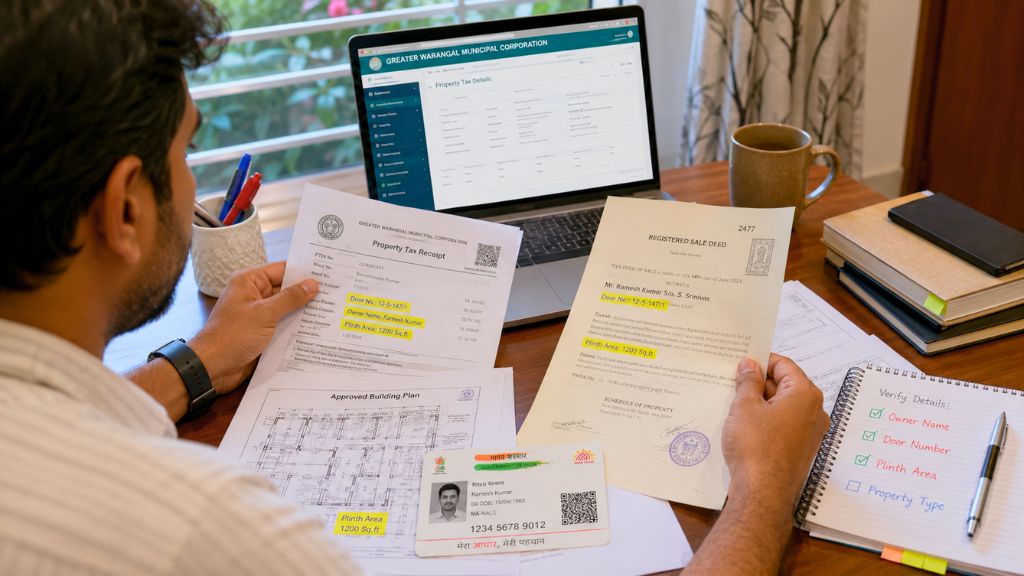
The exact documentation requirements can differ based on the nature of the correction. However, property owners are commonly asked to provide supporting records such as:
Property Ownership Documents
Property Identification Records
- Latest property tax receipt
- Property assessment details
- Survey-related documents
Identity Proof
- Aadhaar Card of the current owner
- Mobile number associated with the application
Additional Supporting Documents
Depending on the correction requested, authorities may also ask for:
- Approved building plans
- Engineer’s certificate
- Electricity bills
- Water bills
- Previous municipal records
Inheritance-Related Documents
For ownership changes arising from succession, additional documents may include:
- Death Certificate
- Legal Heir Certificate
- Other succession-related documents required by the authority
Submitting complete and accurate documentation can help reduce the likelihood of follow-up requests.
What Property Buyers Should Verify Before Completing a Transaction
Municipal records are often overlooked during property verification, especially when buyers focus primarily on ownership documents and registration records.
When evaluating a property listed on Openplot or any other real estate platform, buyers should consider reviewing:
- Property tax records
- Owner details
- Assessment information
- Door number records
- Building measurements
- Mutation status
- Supporting municipal approvals
Verifying these details before finalizing a transaction can help identify discrepancies early and reduce the chances of future administrative issues.
Conclusion:
Errors in municipal property records are not uncommon, but they should not be ignored. Whether the issue involves an incorrect owner name, a wrong door number, or inaccurate property measurements, addressing the discrepancy can help avoid complications during future transactions and legal verifications.
In general, ownership-related updates may often be processed through online mutation services, while corrections involving property characteristics usually require an offline application and verification by municipal authorities.
Because municipal procedures, documentation requirements, and online services may change over time, property owners should always verify the latest guidelines and requirements with the concerned GWMC office before initiating a correction request.
Frequently Asked Questions
Can I apply for a GWMC property detail correction if property taxes are pending?
Pending property taxes may not automatically prevent a correction request, but municipal authorities may ask owners to clear outstanding dues before processing certain applications. It is advisable to verify tax payment status before submitting a correction request.
What should I do if the property tax receipt shows a different owner name from the sale deed?
If the name on the property tax record differs from the registered sale deed, the owner may need to initiate a mutation or ownership update request and provide supporting ownership documents to align municipal records with registered records.
Can a property correction request be rejected by GWMC?
Yes. Applications may be rejected or kept pending if supporting documents are incomplete, submitted information is inconsistent, or verification reveals discrepancies that require additional clarification.
Is it necessary to update GWMC records after purchasing a resale property?
Updating municipal ownership records after purchasing a property helps ensure future property tax notices, assessments, and municipal correspondence are issued in the correct owner’s name.
Can incorrect property details affect building permission or renovation approvals?
In some situations, discrepancies in municipal records may create additional verification requirements when applying for building permissions, alterations, or redevelopment approvals. Accurate records can help streamline future applications.
What happens if the plinth area recorded by GWMC is higher than the actual constructed area?
Property owners may request a review by submitting supporting documents such as approved building plans or technical certifications. Municipal authorities may conduct verification before deciding whether a revision is warranted.
Can multiple errors be corrected through a single application?
This often depends on the nature of the corrections requested. Municipal authorities may allow related corrections within one application, while certain ownership and assessment-related changes may require separate processing.
Should property buyers compare GWMC records with RERA or approved layout documents?
Yes. Comparing municipal records with approved layouts, sanctioned plans, and other available property documents can help identify inconsistencies before completing a purchase.
Can property record errors create issues during property inheritance settlements?
They can. Inheritance-related transfers often require verification of ownership records and supporting documents. Resolving known discrepancies beforehand may help avoid delays during succession-related proceedings.
How can property owners maintain accurate municipal records after a correction is approved?
Property owners should preserve copies of updated tax receipts, correction acknowledgments, approval letters, and supporting documents. Reviewing municipal records periodically can help ensure future updates are reflected correctly.