
Garden ideas for small outdoor spaces are becoming increasingly important in many Indian cities, especially in apartments, compact villas, and urban independent homes. Even with smaller balconies, terraces, or narrow courtyards, homeowners are still looking for practical ways to create greenery around their living spaces. A well-designed small garden can improve ventilation, reduce heat exposure, and make a home feel more comfortable for daily living.
Today, space-saving garden design is not only about decoration. It is also about making better use of available square footage through vertical gardening, compact planters, container gardening, and climate-friendly plants suitable for Indian weather conditions.
For residential property listings on platforms like Openplot, outdoor spaces are often presented as part of the overall home layout. Balcony gardens, terrace greenery, and compact plant arrangements are now commonly seen in modern urban homes.
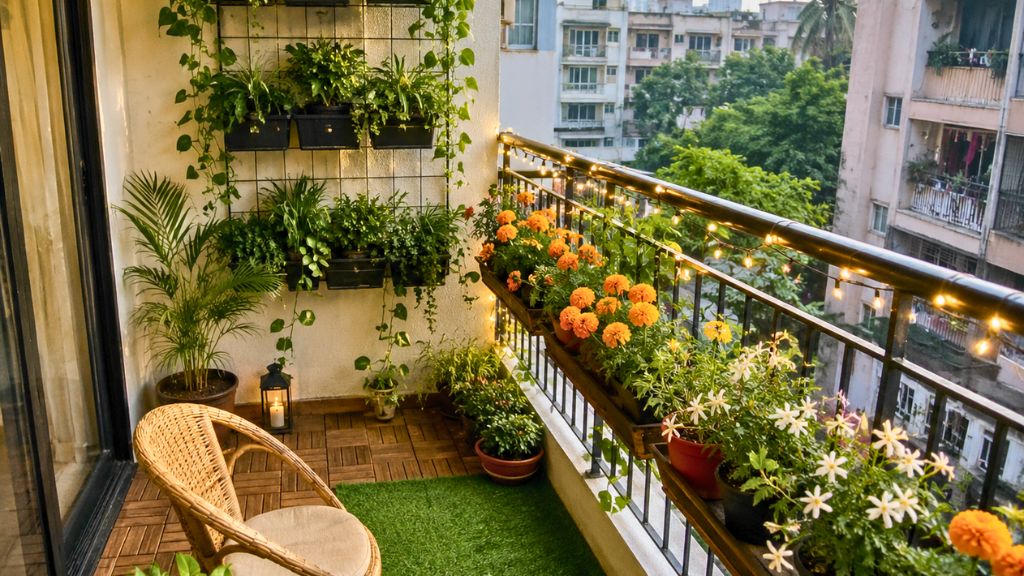
Table of Contents
Why Small Space Gardening Is Becoming Popular in Indian Homes
Urban residential layouts are changing across cities, and open outdoor areas are often limited to balconies, rooftops, utility corners, or compact patios. Because of this, homeowners are moving toward low-maintenance gardening solutions that work well in restricted spaces.
Small garden setups help create a natural environment within the home while making unused corners more functional. In many cases, terrace gardens and balcony plants also help reduce direct heat exposure on walls and floors during summer months.
Space-efficient gardening is commonly preferred because it allows homeowners to:
- Use vertical surfaces instead of occupying floor space
- Grow herbs and vegetables in containers
- Improve indoor and outdoor aesthetics
- Create a more relaxing living environment
- Maintain greenery with limited maintenance effort
The focus is usually on practical layouts rather than decorative excess.
Vertical Garden Ideas for Compact Outdoor Spaces
Living Walls and Vertical Plant Setups
Vertical gardens are one of the most effective solutions for homes with limited outdoor areas. Empty compound walls, balcony walls, and terrace corners can be converted into green surfaces using hanging pots, wall-mounted planters, or wired support systems.
Bio-wall pockets and modular vertical panels are often used for herbs, ornamental foliage, and lightweight flowering plants. These setups help maximize greenery without reducing usable floor space.
Plants commonly used in vertical gardening include:
- Money plant
- Mint
- Basil
- Jasmine
- Bougainvillea
- Coriander
Climbers and trailing plants generally adapt well because they naturally spread across vertical supports.
Trellises and Climbing Plants
Trellises provide structure and height in compact gardens. Wooden or metal trellises can support flowering climbers like Madhumalti, bougainvillea, or passion fruit vines.
In small balconies and terraces, trellises can also improve privacy while adding greenery around railings and walls. Arched trellises are sometimes used near entrances or terrace seating areas to create shaded sections with natural plant coverage.
Hanging Gardens for Indoor and Balcony Spaces
Hanging planters are commonly used in apartment balconies and indoor corners that receive natural light. Ceiling-mounted pots, railing planters, and suspended baskets help create layered greenery without cluttering walking areas.
Coir pots, lightweight plastic containers, and ceramic hanging planters are often preferred because they are easier to manage and maintain.
Smart Balcony and Terrace Garden Design Ideas
Balcony Garden Design for Apartments
A small balcony can function as a usable outdoor extension of the home when designed carefully. Instead of overcrowding the area with too many plants, homeowners usually benefit more from a balanced combination of greenery, seating, and lighting.
Compact balcony garden setups often include:
- Railing planters for flowers and herbs
- Artificial turf or wooden deck flooring
- Foldable chairs or compact seating
- Warm LED lights or lanterns
- Small side tables or vertical shelves
Flowering plants such as marigold, periwinkle, jasmine, and roses are commonly selected because they perform well in Indian climates with proper sunlight exposure.
Rooftop and Terrace Garden Planning
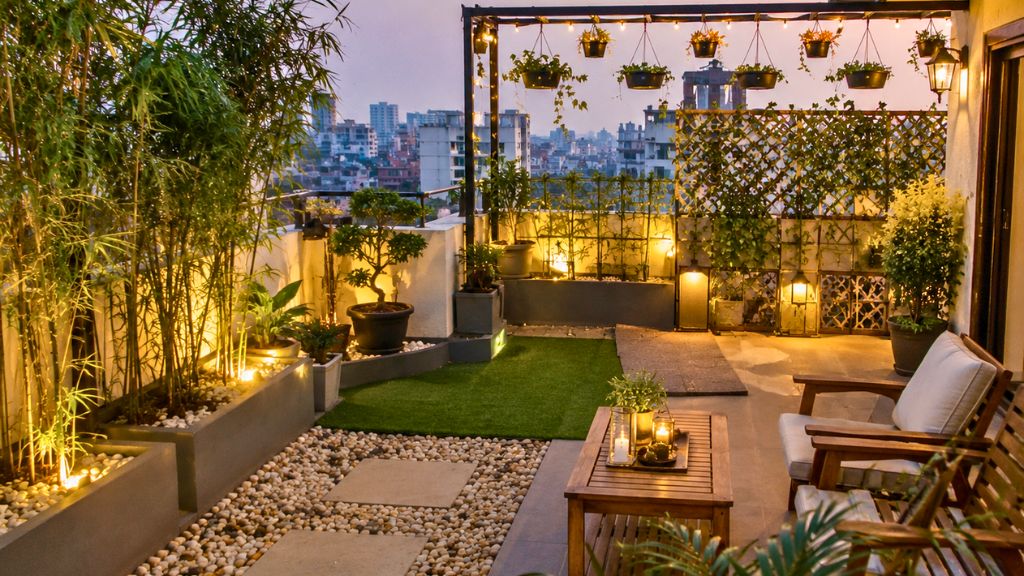
Terrace gardens provide more flexibility compared to apartment balconies because they usually receive better airflow and longer sunlight exposure. Rooftops can support layered plant arrangements using large pots, shrubs, grasses, bamboo, and palms.
Many homeowners prefer glass railings or open boundary designs because they make the terrace feel larger and less enclosed. Large planters can also help divide terrace sections into seating, gardening, or relaxation zones.
Terrace gardening methods vary depending on roof load capacity, waterproofing, sunlight conditions, and local climate patterns. Professional guidance may sometimes be required for larger rooftop garden projects.
Ladder Gardens and Tiered Plant Stands
Vertical shelving systems are widely used in compact homes because they improve plant organization while occupying minimal space. Old ladders, metal racks, and tiered wooden stands can be repurposed into practical plant holders for herbs, succulents, and microgreens.
These arrangements also help improve sunlight distribution by preventing plants from blocking each other.
Low-Maintenance Plants for Indian Weather Conditions
Plant selection plays an important role in long-term garden maintenance. Many homeowners now prefer hardy plants that can tolerate Indian summer conditions while requiring less water and maintenance.
Kitchen Herbs and Utility Plants
Kitchen gardening remains popular because it combines greenery with daily household use. Herbs that commonly grow well in containers include:
- Mint
- Curry leaves
- Basil
- Coriander
- Green chillies
Grow bags and lightweight metal planters are frequently used because they are easy to shift during seasonal weather changes.
Flowering Plants for Small Gardens
Flowering plants help add color and fragrance to compact balconies and terraces. Heat-tolerant varieties are generally more suitable for Indian weather conditions.
Popular choices include:
- Marigold
- Jasmine
- Bougainvillea
- Rose
- Periwinkle
Plant growth may vary depending on regional climate, sunlight exposure, and watering frequency.
Indoor Foliage and Air-Purifying Plants
Low-maintenance foliage plants are commonly used in apartments because they adapt well to indoor conditions.
Snake plant, aloe vera, money plant, and succulents are often preferred because they require comparatively less watering and can grow in smaller containers.
These plants are also suitable for decorative corners, workspaces, and living rooms with moderate sunlight.
Decorative Elements That Improve Small Garden Spaces
Garden décor works best when it supports functionality rather than overcrowding the area. Simple additions often create a cleaner and more usable outdoor environment.
Lighting and Surface Enhancements
Fairy lights, solar lanterns, and warm LED lighting are commonly used to make balconies and terraces usable during evening hours. Decorative pebbles and white stones can cover exposed soil while improving the overall appearance of plant containers.
Artificial grass carpets are also widely used in apartment balconies because they provide a green visual effect with minimal maintenance.
Seating and Relaxation Corners
Compact seating solutions help convert small outdoor spaces into functional relaxation areas. Foldable wooden furniture, cane chairs, swing seats, or hammocks are commonly used depending on available space.
In larger terrace setups, homeowners may also include stepping stones, decorative pathways, or compact water features if proper drainage and maintenance are possible.
Read More: General Low-Budget Interior Design: Affordable Ideas for Stylish Indian Homes
Maintenance Tips for Long-Term Garden Health
Small gardens require regular attention even when low-maintenance plants are selected. Proper watering, drainage, and soil preparation are important for healthy plant growth.
Soil and Compost Selection
Different plants require different soil compositions. Sandy soil mixtures are commonly used for succulents, while herbs and flowering plants generally require nutrient-rich potting mixes.
Organic compost is often added to improve moisture retention and soil fertility.
Watering and Pest Management
Balcony and terrace gardens can dry quickly during Indian summers, especially in cities with high temperatures. Watering schedules should be adjusted according to seasonal weather conditions and plant type.
Organic pest-control methods are commonly used for fungal infections, caterpillars, and leaf damage.
Importance of Sunlight and Ventilation
Most flowering plants and herbs require sufficient sunlight for healthy growth. Indoor gardens should be positioned near windows, balconies, or naturally ventilated areas whenever possible.
Poor airflow and excessive moisture can sometimes lead to fungal growth and unhealthy plant conditions.
How Green Spaces Improve Residential Property Appeal
Compact garden spaces have become an important visual feature in many modern homes. Balcony gardens, rooftop greenery, and well-maintained terrace setups often make residential properties feel more comfortable and functional.
Garden styles, plant trends, and outdoor layouts continue to change over time based on climate conditions, maintenance preferences, and available space. Homeowners usually benefit most from practical garden designs that are easy to maintain and suitable for local environmental conditions.
Read More: Bedroom Makeover Ideas for Better Sleep and Relaxation
Conclusion
Space-saving garden design is becoming increasingly relevant for modern Indian homes where outdoor areas are often limited to balconies, terraces, patios, or compact courtyards. With the right combination of vertical gardening, container planting, climate-suitable greenery, and practical décor, even small spaces can be converted into comfortable green zones for daily use.
The focus should always remain on functionality, easy maintenance, and plant selection suitable for local weather conditions. Balcony gardens, terrace gardens, hanging planters, and compact seating arrangements can improve both the appearance and usability of residential spaces without requiring large investments or extensive land areas.
For homeowners listing apartments, villas, or independent houses on platforms like Openplot, a clean and well-maintained outdoor garden area can also improve the visual presentation of the property. Gardening trends, plant performance, and maintenance requirements may change over time based on climate, location, and available space, so homeowners should always plan according to practical long-term maintenance needs.
Frequently Asked Questions
Which direction is suitable for a balcony garden in India?
East-facing balconies are generally preferred because they receive softer morning sunlight, which works well for most herbs and flowering plants. South and west-facing balconies may require heat-tolerant plants due to stronger afternoon sunlight.
Can vertical gardens damage walls over time?
Vertical gardens may lead to moisture issues if drainage and waterproofing are not handled properly. Using proper wall panels, drainage trays, and gap spacing between the wall and planters can help reduce moisture-related problems.
Are grow bags better than traditional pots for terrace gardening?
Grow bags are lightweight, easy to move, and suitable for vegetables, herbs, and seasonal plants. Traditional pots may last longer for decorative plants and larger shrubs, depending on the material and weather exposure.
How can I reduce the heat on my terrace using plants?
Large planters, vertical greenery, bamboo screens, and rooftop grass sections may help reduce direct heat absorption on terrace surfaces. Layered plantation also helps create shade and improve cooling around the seating area.
What are the common mistakes people make in small balcony gardens?
Some common issues include overcrowding plants, poor drainage, choosing unsuitable plants for sunlight conditions, and using heavy containers on weak balcony structures. Proper spacing and sunlight planning are important for long-term maintenance.
How often should balcony plants be repotted?
Many small plants may require repotting every one to two years depending on root growth, soil quality, and container size. Fast-growing herbs and flowering plants may need more frequent soil replacement.
Which plants can survive with less watering in Indian summers?
Succulents, snake plants, aloe vera, jade plants, bougainvillea, and certain cactus varieties are commonly preferred because they can tolerate dry conditions better than moisture-sensitive plants.
Can apartment residents grow vegetables in small spaces?
Yes, many vegetables and herbs can grow successfully in compact balcony gardens using containers, railing planters, or grow bags. Chillies, spinach, coriander, mint, tomatoes, and fenugreek are commonly grown in small urban spaces.
Is artificial grass suitable for balconies and terrace gardens?
Artificial grass is often used in balconies and terraces because it creates a green appearance with limited maintenance. However, proper drainage and regular cleaning are important to prevent water accumulation and dust buildup.
How do I protect balcony plants during heavy monsoon seasons?
During monsoon months, excess watering should be avoided. Proper drainage holes, elevated stands, and temporary shade covers may help prevent root rot, fungal growth, and waterlogging in containers.