
Introduction
The Indian real estate market is undergoing one of its most significant transformations in decades. Rapid urbanization, expanding employment opportunities, infrastructure development, and changing lifestyle preferences are driving unprecedented demand for residential property across major metro cities. From Bengaluru’s thriving technology ecosystem to Mumbai Metropolitan Region’s infrastructure revolution and Hyderabad’s expanding corporate landscape, housing demand continues to accelerate.
However, an important question remains: Are Indian metro cities truly prepared for this residential growth?
The answer is both encouraging and concerning. While cities are witnessing massive investments in metro rail networks, expressways, airports, and commercial hubs, residential expansion is often moving faster than civic infrastructure. Roads, drainage systems, water supply, schools, and healthcare facilities frequently struggle to keep pace with new housing developments.
For homebuyers, investors, and developers, understanding this balance between growth opportunities and urban challenges is essential for making informed real estate decisions.
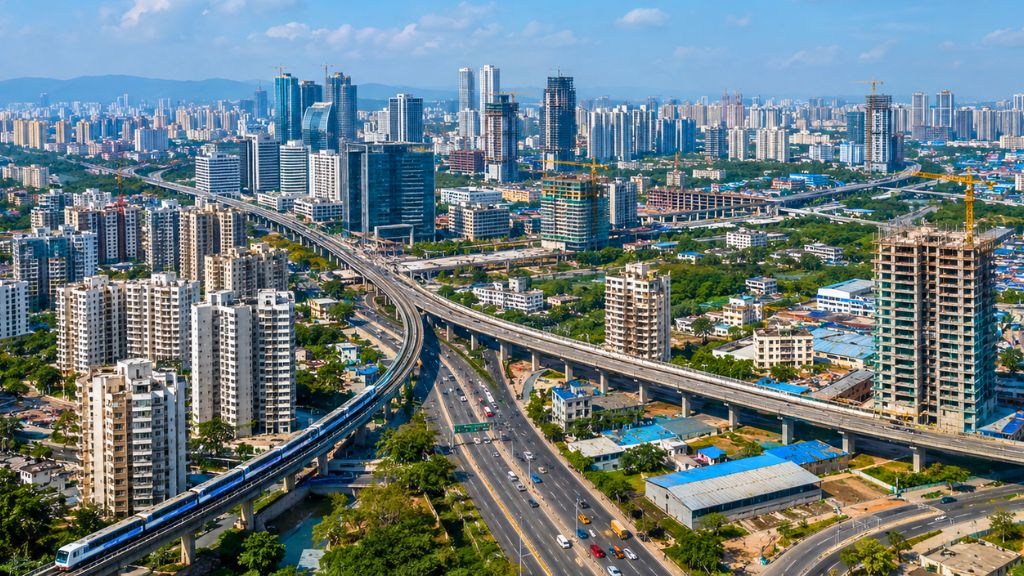
Table of Contents
The New Era of Residential Growth in India
India’s residential real estate market is no longer driven solely by population growth. Today’s buyers are influenced by employment opportunities, connectivity, lifestyle amenities, and long-term investment potential.
Several factors are reshaping housing demand across metro cities:
- Rising household incomes
- Growth of IT and Global Capability Centers (GCCs)
- Better transportation infrastructure
- Preference for integrated townships
- Demand for premium and luxury housing
- Hybrid work models encouraging suburban living
Unlike previous decades where buyers prioritized proximity to city centers, today’s homebuyers increasingly value accessibility through metro rail, expressways, and smart infrastructure.
As a result, suburban corridors that were once overlooked are becoming some of the fastest-growing residential destinations.
Infrastructure Is Driving Growth, but Not Always in a Planned Way
Infrastructure development is playing a major role in shaping India’s residential real estate market. Metro rail projects, expressways, airports, and new business hubs are opening new locations for housing and investment. However, residential construction is often growing faster than civic infrastructure, making planned urban development one of the biggest challenges for Indian metro cities. Let’s examine how infrastructure is shaping urban expansion and where the most significant challenges persist.
Transit-Oriented Development is Changing Urban Expansion
One of the biggest contributors to residential growth is Transit-Oriented Development (TOD).
Large-scale metro rail projects and expressways are opening entirely new residential corridors where daily commuting has become practical despite greater distances from city centers.
Developments around metro stations and transport hubs are attracting:
- First-time homebuyers
- Working professionals
- Investors
- Families seeking larger homes
- Developers planning integrated townships
Instead of living within the congested urban core, many buyers are comfortable residing 20–30 kilometers away if connectivity is reliable.
This shift is fundamentally changing the Indian real estate market.
Expressways and Connectivity Are Creating New Investment Corridors
Major infrastructure projects are improving accessibility across metropolitan regions.
These include:
- Metro network expansions
- Ring roads
- Coastal roads
- Airport connectivity projects
- Elevated corridors
- Industrial and logistics corridors
Such developments often increase the attractiveness of satellite cities and peripheral micro-markets, encouraging residential investment where land availability is relatively better than established urban centers.
However, connectivity alone cannot guarantee sustainable urban growth.
Strong Housing Demand Meets Critical Urban Challenges
India’s metro cities are witnessing strong residential growth due to rapid urbanization, economic expansion, and increasing employment opportunities. However, the pace of housing development has also highlighted several challenges that can impact sustainable urban growth. While demand for residential property continues to rise, factors such as population pressure, land scarcity, and affordability are reshaping the market. The following aspects explain why these challenges are becoming increasingly important for the future of India’s metro cities.
Population Growth Is Outpacing Urban Capacity
Several Indian metro cities absorb hundreds of thousands of new residents every year through migration and employment opportunities.
Cities with thriving IT, manufacturing, financial services, and startup ecosystems continue attracting skilled professionals from across the country.
This rapid influx creates pressure on:
- Housing supply
- Public transportation
- Water resources
- Sewage systems
- Traffic management
- Schools and colleges
- Healthcare infrastructure
Even when new residential projects are launched, supporting civic infrastructure may require years to develop.
Consequently, many new communities experience infrastructure gaps despite modern housing.
Land Scarcity Is Limiting Sustainable Expansion
Prime urban locations have limited developable land.
Instead of unrestricted expansion, developers often face:
- Limited parcel availability
- Higher acquisition costs
- Regulatory constraints
- Redevelopment complexities
- Environmental considerations
This disciplined supply can support property values but simultaneously restricts housing availability, making affordability a growing concern.
As demand exceeds supply in desirable micro-markets, buyers increasingly explore emerging suburban locations.
Rising Property Prices Are Shifting Buyer Preferences
Residential demand remains healthy, but affordability challenges are changing purchasing behavior.
Instead of focusing exclusively on central business districts, buyers increasingly prefer:
- Metro-connected suburbs
- Integrated townships
- Mixed-use developments
- Larger homes in peripheral areas
- Emerging investment corridors
The objective has shifted from simply owning property in a prime location to owning a well-connected property with future appreciation potential.
Read More: Why Roads, Metro Lines, and Airports Matter to Homebuyers
City-by-City Assessment: How Prepared Are India’s Major Metro Markets?
India’s metro cities are not growing at the same pace or in the same way. While some are benefiting from strong employment generation and well-planned infrastructure projects, others continue to face challenges such as land scarcity, affordability concerns, and pressure on civic amenities. The level of preparedness for residential growth depends on multiple factors, including connectivity, economic activity, urban planning, and the ability to accommodate a rapidly increasing population. The following city-wise assessment highlights how India’s leading real estate markets are positioned for future residential expansion and what buyers and investors should consider.
Mumbai Metropolitan Region (MMR)
Mumbai continues to be India’s financial powerhouse, but affordability remains one of its biggest challenges.
Large infrastructure initiatives, including new airport developments, metro expansion, coastal connectivity improvements, and enhanced links to satellite cities, are transforming residential demand beyond the traditional city core. Areas such as Thane, Panvel, and other emerging locations within the metropolitan region are benefiting from improved accessibility.
Preparedness Assessment: The infrastructure vision is ambitious and long-term. However, affordability constraints and limited land availability continue to challenge large-scale residential expansion within established urban zones.
Bengaluru
Bengaluru remains one of India’s strongest residential markets due to continuous job creation in technology, startups, and Global Capability Centers. Expansion toward northern corridors and airport-oriented development is creating new housing opportunities. Yet, the city’s rapid population growth places considerable pressure on transportation systems and civic infrastructure.
Preparedness Assessment: Economic fundamentals remain exceptionally strong, but infrastructure implementation must keep pace with residential development to sustain long-term growth.
Hyderabad
Hyderabad has emerged as one of India’s most attractive residential investment destinations. Its IT ecosystem, pharmaceutical sector, planned urban expansion, and improved transportation network have created balanced growth across multiple corridors.
Locations such as Kokapet, Tellapur, and Gachibowli have witnessed increasing residential interest due to employment accessibility and modern infrastructure.
Preparedness Assessment: Among major metros, Hyderabad demonstrates relatively balanced residential growth supported by planned expansion and diversified economic drivers.
Pune
Pune’s growth is driven by IT services, manufacturing, education, and research industries. Employment opportunities continue to attract professionals from across India, increasing demand for residential property. Growth corridors connected to technology parks and educational institutions remain highly active.
Preparedness Assessment: While demand fundamentals are strong, continued population absorption places significant pressure on urban infrastructure and transportation systems.
Chennai
Chennai offers comparatively stable residential growth supported by manufacturing, automobile industries, information technology, and expanding metro connectivity. The city has traditionally demonstrated measured appreciation rather than speculative price movement.
Preparedness Assessment: Its balanced economic base and infrastructure expansion provide relatively stable conditions for long-term residential development.
Ahmedabad
Ahmedabad is increasingly attracting attention due to industrial expansion, improving connectivity, and developments associated with large financial and business districts. Compared with several major metros, entry costs remain relatively accessible for many buyers.
Preparedness Assessment: The city presents considerable long-term potential if infrastructure growth continues alongside planned residential expansion.
Navi Mumbai
Navi Mumbai represents one of India’s most significant examples of infrastructure-led urban transformation. Improved connectivity through major transportation projects and airport development is expanding residential opportunities beyond traditional Mumbai boundaries.
Emerging locations continue attracting both investors and end users seeking better affordability and long-term appreciation.
Preparedness Assessment: Its future largely depends on the successful execution of ongoing infrastructure projects, but long-term prospects remain promising.
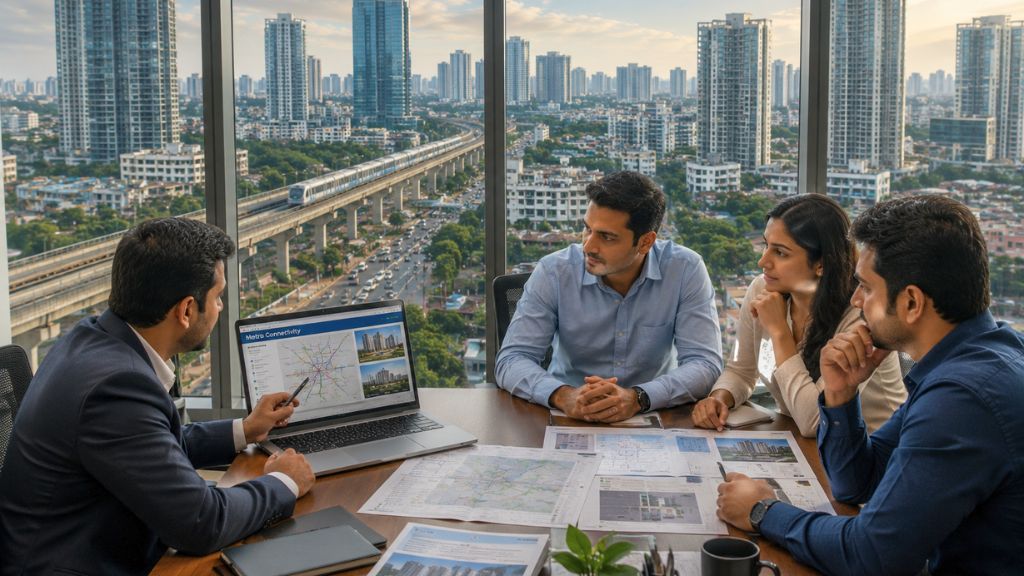
Why Many Urban Experts Believe Indian Metro Cities Are Only Partially Prepared
Disconnected Urban Planning
Economic growth often progresses independently of comprehensive city planning. Commercial districts, residential neighborhoods, transportation systems, and civic infrastructure may develop at different speeds rather than through coordinated planning. The result is avoidable congestion and inefficient urban expansion.
Residential Construction Frequently Outpaces Civic Services
Many newly occupied residential communities experience delays in:
- Road widening
- Drainage systems
- Public transportation integration
- School availability
- Healthcare infrastructure
- Utility services
While buildings may be completed quickly, supporting ecosystems often require significantly more time.
Environmental Sustainability Cannot Be Ignored
Rapid outward expansion can reduce green spaces and increase environmental stress.
Urban planners increasingly emphasize:
- Sustainable land use
- Water conservation
- Preservation of natural ecosystems
- Climate resilience
- Integrated environmental planning
Future-ready cities must balance economic growth with environmental sustainability.
The Rise of Tier-2 Cities and What It Means for Metro Housing
As affordability becomes a challenge across major metros, many buyers are exploring Tier-2 cities. Locations such as Indore, Jaipur, Lucknow, and several emerging urban centers are attracting attention because they offer:
- Better affordability
- Improving infrastructure
- Growing employment opportunities
- Higher space availability
- Lower entry barriers for investors
This does not necessarily reduce metro city demand. Instead, it diversifies India’s residential growth story by distributing investment across multiple regions.
Over time, stronger Tier-2 markets may reduce some pressure on overcrowded metropolitan areas.
Read More: Unified RERA Portal: How It Benefits Homebuyers in India 2026
What Should Homebuyers and Investors Focus on in 2026?
Rather than chasing short-term price appreciation, buyers should evaluate long-term fundamentals. Important considerations include:
- Employment Ecosystem: Cities with expanding IT, manufacturing, financial services, and business hubs generally support sustained housing demand.
- Connectivity: Metro stations, expressways, airports, and multimodal transportation significantly influence long-term property value.
- Social Infrastructure: Schools, hospitals, retail centers, and recreational facilities contribute to better quality of life and stronger resale potential.
- Future Development Plans: Government infrastructure projects often reshape investment corridors over several years rather than immediately.
- Project Transparency: Before making a purchase, buyers should compare multiple residential projects, review location advantages, evaluate connectivity, and understand neighborhood development prospects through reliable property listing platforms such as Openplot, which help users make informed decisions based on available project and locality information.
Read More: Real estate Budget 2026: What Homebuyers and Developers Want Before February 1
Conclusion
Indian metro cities are undoubtedly experiencing a residential boom supported by strong economic fundamentals, infrastructure investments, and evolving lifestyle preferences. The expansion of metro rail systems, expressways, and new business districts is creating enormous opportunities for both homebuyers and investors.
At the same time, these cities face significant challenges. Population growth, land scarcity, affordability pressures, environmental concerns, and disconnected urban planning continue to test their capacity for sustainable residential expansion. Therefore, the question is not whether Indian metro cities are growing—they clearly are. The more important question is whether infrastructure, governance, and civic services can evolve quickly enough to support that growth.
For buyers and investors, the smartest strategy is to prioritize locations that combine employment opportunities, strong connectivity, planned infrastructure, and long-term urban development rather than focusing solely on current property prices.
As India’s urban landscape continues to transform, informed decision-making will remain the key to successful residential investment.
Frequently Asked Questions
Why are suburban areas becoming more popular than city centers for homebuyers?
Suburban areas are gaining popularity because they offer comparatively larger homes, better planned communities, and improved connectivity through metro rail networks and expressways. As infrastructure expands, many buyers find suburban locations a practical balance between affordability and accessibility.
What should buyers evaluate besides property price before investing in a metro city?
Property price should never be the only deciding factor. Buyers should also assess employment opportunities nearby, future infrastructure projects, public transportation, social amenities such as schools and hospitals, legal approvals, and the long-term development potential of the locality.
How do infrastructure projects influence residential property values?
Major infrastructure projects such as metro corridors, airports, expressways, and business districts often improve accessibility and attract commercial activity. Over time, these developments can increase demand for residential properties and contribute to better long-term value appreciation, although outcomes vary by location.
Is buying a home near a metro station a good long-term investment?
Properties located near operational or well-planned metro stations generally benefit from better connectivity and higher demand from both homebuyers and tenants. However, investors should also consider neighborhood development, civic infrastructure, and project quality before making a decision.
How can buyers identify whether a locality has long-term growth potential?
A locality with strong long-term potential typically shows consistent infrastructure investment, expanding employment hubs, planned commercial development, quality social infrastructure, and increasing residential demand rather than short-term speculative activity.
Are integrated townships better than standalone residential projects?
Integrated townships often provide amenities such as schools, retail spaces, parks, healthcare facilities, and recreational areas within the development. While suitability depends on individual preferences, these projects can offer greater convenience and reduce dependence on external infrastructure.
What role does employment growth play in residential real estate demand?
Employment growth is one of the strongest drivers of housing demand. Cities that attract IT companies, manufacturing industries, financial institutions, and Global Capability Centers generally experience sustained demand for residential properties from both end-users and investors.
How can buyers evaluate the future livability of a residential location?
Future livability depends on factors such as transportation connectivity, availability of water and utilities, educational institutions, healthcare facilities, green spaces, traffic management, and planned civic infrastructure. Reviewing local development plans can provide valuable insights.
Should first-time homebuyers focus on established neighborhoods or emerging growth corridors?
Established neighborhoods usually offer mature infrastructure and predictable living conditions, while emerging growth corridors may provide better appreciation potential due to upcoming infrastructure projects. The right choice depends on whether the buyer prioritizes immediate convenience or long-term investment potential.
How can property listing platforms help buyers make better decisions?
A reliable property listing platform allows buyers to compare multiple projects, explore locality information, review connectivity, understand nearby infrastructure, and evaluate different residential options in one place. This research-driven approach helps buyers make more informed and confident real estate decisions.
More from Openplot Blog
Keep up with the latest news, market trends, and valuable insights from the Indian real estate sector through the Openplot Blog.
Openplot is a leading property listing platform that connects property buyers, sellers, investors, and real estate professionals across India. Through our blog and knowledge resources, we share informative articles, property market updates, buying and selling guides, investment tips, and legal information to help you make confident real estate decisions.
Whether you are searching for your dream property, planning to sell, exploring investment opportunities, or staying informed about market developments, Openplot provides useful resources to support your property journey.
Contact Openplot
📞 +91 9914146969, +91 9281064844
📍 Hyderabad, Telangana, India
Disclaimer: The content available on the Openplot Blog is provided solely for informational purposes. The information shared may be based on publicly available sources, industry trends, and general market observations, and it should not be considered legal, financial, investment, or professional advice. Readers should conduct their own research and consult qualified professionals before making any property, financial, legal, or investment-related decisions. Openplot is not responsible for any actions taken or losses incurred based on the information presented on this platform.