
Low-budget interior design in India is no longer about simply “managing with less.” It has evolved into a practical design approach where aesthetics, functionality, and cost-efficiency work together. With rising property prices in cities like Mumbai, Delhi NCR, Bangalore, Pune, and Hyderabad, homeowners increasingly prefer affordable interior design solutions that still deliver a modern and comfortable living experience.
The core idea is simple: you don’t need expensive materials or luxury brands to create a beautiful home. What you need is smart planning, thoughtful material selection, and efficient use of space.
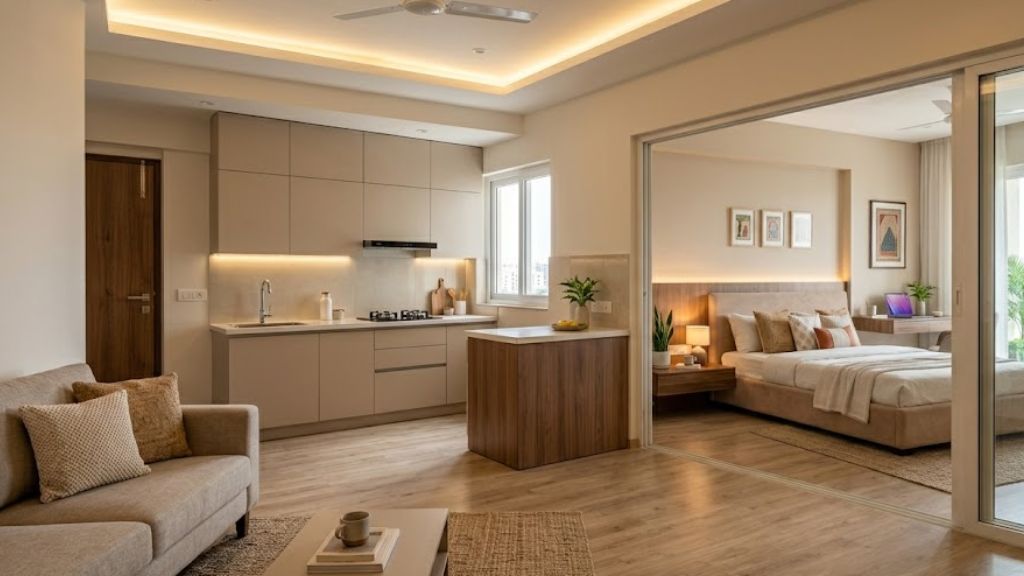
Table of Contents
Understanding Low-Budget Interior Design in the Indian Context
In India, low-budget interior design typically focuses on creating functional living spaces within a controlled cost range, especially for 1BHK, 2BHK apartments, and compact independent homes. Unlike luxury interiors, the emphasis is not on imported materials or high-end customisation but on practical, locally available, and durable solutions.
Most Indian homes benefit from modular furniture, simple color palettes, and multi-purpose layouts that reduce clutter and improve usability. This approach is particularly useful for urban families, working professionals, and renters who want a good-looking home without heavy investment.
Planning Before Execution: The Most Important Step
Any successful low-budget interior design project begins with planning. Without a clear plan, even small expenses can quickly escalate.
Before starting interiors, homeowners should understand three key aspects: space usage, budget allocation, and priority areas. For example, a living room may require more focus than a guest bedroom, or a modular kitchen might be a higher priority than decorative walls.
A simple planning approach includes:
- Identifying essential furniture first
- Separating “needs” from “decorative wants”
- Fixing a maximum budget per room
- Choosing a consistent design style across the home
This step alone helps reduce unnecessary expenses and ensures that the final outcome remains cohesive.
Read More: Top 20 Interior Design Trends to Watch in 2025
Living Room Ideas for Low-Budget Indian Homes
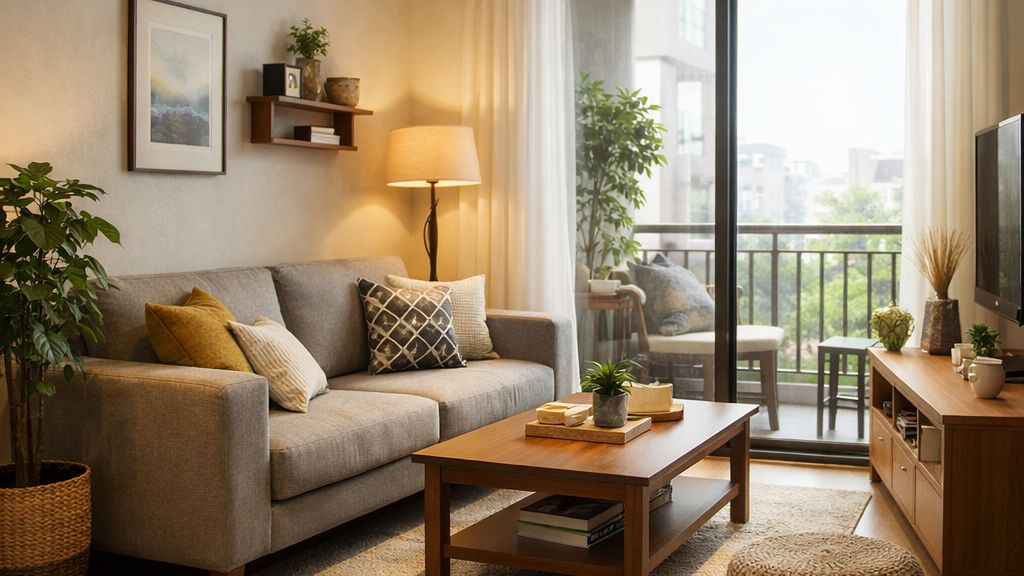
The living room is often the most visible and frequently used space, so it needs to look well-designed even on a tight budget. The key is to focus on impact areas rather than trying to fill the space with expensive furniture.
A simple fabric sofa paired with a wooden center table can create a balanced and modern look. Instead of investing in heavy furniture sets, many Indian homeowners now prefer compact seating arrangements or L-shaped sofas that maximize space usage.
Wall design plays a big role here. Instead of costly wall panels, you can use paint-based accent walls or affordable wallpaper designs. Even a single textured wall can elevate the entire space visually.
Lighting is another area where small investments make a big difference. Warm LED lights, floor lamps, or even decorative string lights can enhance ambiance without increasing electricity costs significantly.
Bedroom Interior on a Budget: Comfort Without Excess
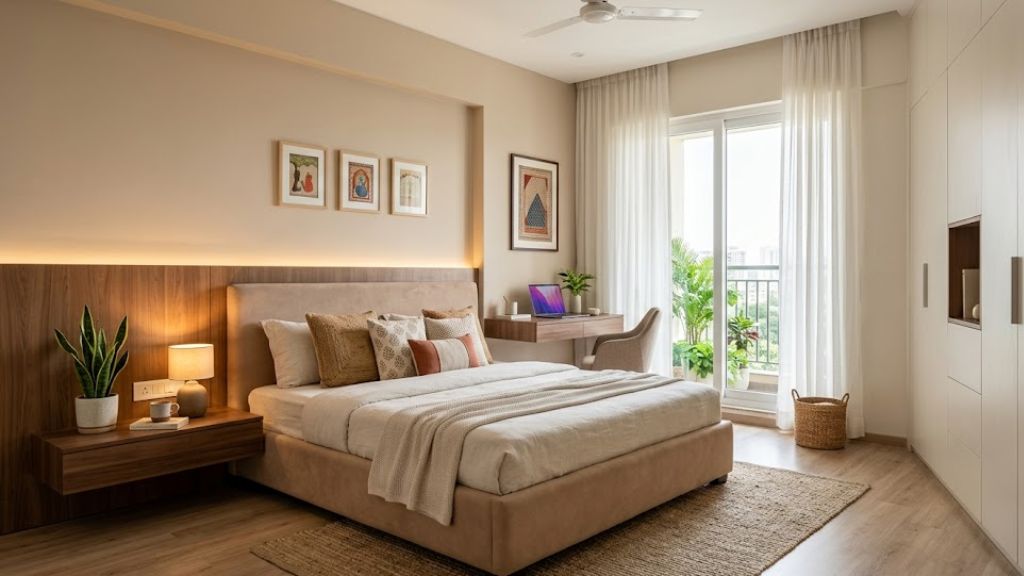
A bedroom should feel calm and uncluttered, especially in Indian homes where space is often limited. Low-budget bedroom interiors focus on comfort and storage rather than heavy decoration.
Storage beds have become a popular choice because they eliminate the need for additional cupboards. Similarly, sliding door wardrobes are preferred over traditional hinged designs in smaller rooms as they save movement space.
Soft furnishings also play an important role. Instead of expensive decor items, simple cotton curtains, coordinated bedsheets, and cushion covers can transform the look of the room instantly.
A good approach is to keep the bedroom minimal, with only essential furniture and a consistent color scheme. This reduces visual clutter and keeps costs under control.
Modular Kitchen Design in Low-Budget Homes
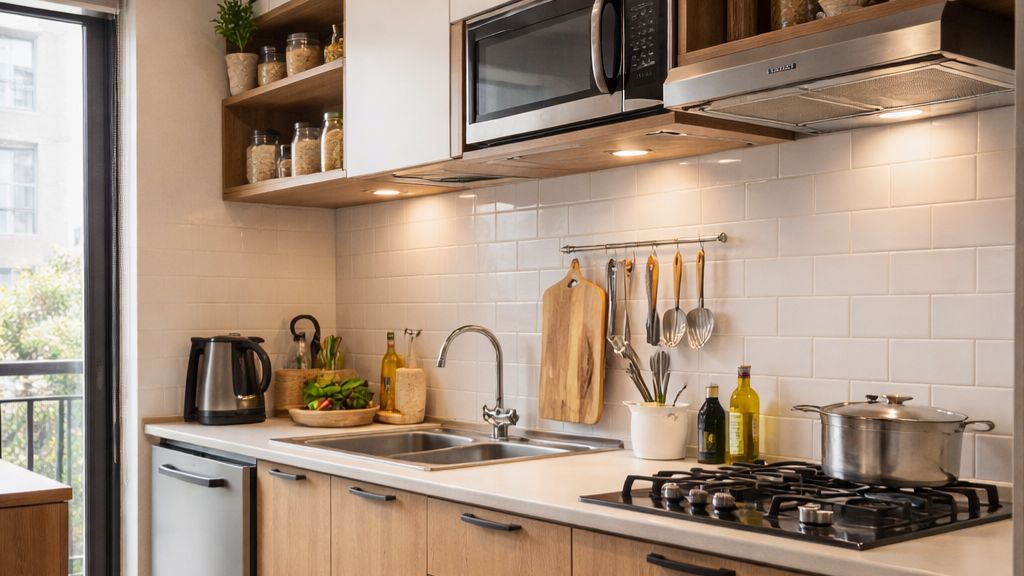
The kitchen is often the most expensive part of interior design, but smart planning can significantly reduce costs without affecting functionality. In Indian homes, modular kitchens are widely preferred because they offer flexibility and efficient storage.
For small apartments, straight-line and L-shaped kitchens are the most cost-effective layouts. They use space efficiently and reduce unnecessary cabinetry costs.
Instead of premium finishes, laminate and PVC materials are commonly used in budget kitchens. These materials are durable, easy to maintain, and significantly cheaper than acrylic or high-gloss finishes.
Storage optimization is key in Indian kitchens. Pull-out drawers, overhead cabinets up to ceiling height, and corner storage units help maximize space while keeping the kitchen organized.
Affordable Materials That Work Best in India
Choosing the right materials is one of the biggest cost-saving factors in interior design. In India, several budget-friendly options provide good durability and appearance.
For flooring, vitrified tiles remain the most practical option. They are affordable, easy to clean, and available in multiple designs that mimic marble or wood finishes. Ceramic tiles are commonly used in kitchens and bathrooms due to their water resistance.
For walls, emulsion paint is a standard choice because it offers a smooth finish and better durability compared to basic distemper paint. Wallpapers are also widely used for accent areas as a cost-effective decorative solution.
By selecting the right combination of materials, homeowners can maintain both aesthetics and durability without overspending.
Smart Storage and Space Optimization Ideas
One of the biggest challenges in Indian homes is space management. Low-budget interior design solves this through intelligent storage solutions rather than expensive expansions.
Vertical storage is highly effective, especially in small apartments. Tall shelves, wall-mounted units, and overhead cabinets help utilize unused wall space. Multi-functional furniture is also widely used, such as sofa-cum-beds, foldable dining tables, and wall-mounted study desks.
Mirrors are another simple but powerful design element. When placed correctly, they create an illusion of larger space and enhance natural light distribution in rooms.
DIY Interior Design: Saving Money with Creativity
Do-it-yourself (DIY) interior design has become increasingly popular in India, especially among young homeowners and tenants. It not only reduces cost but also adds a personal touch to the home.
Simple DIY ideas include repurposing old furniture, creating handmade wall art, or converting wooden crates into storage units. Even repainting old chairs or changing sofa covers can refresh the entire look of a room without major expenses.
This approach works especially well for people who prefer gradual home improvement instead of a one-time heavy investment.
Common Mistakes to Avoid in Budget Interiors
While designing on a budget, many homeowners make the mistake of focusing only on low price rather than long-term value. Cheap materials may reduce initial costs but often lead to higher maintenance expenses later.
Another common mistake is over-decorating small spaces. Too many decorative elements can make a home feel cramped and visually overwhelming.
Poor storage planning is also a frequent issue. Without proper storage solutions, even well-designed homes quickly become cluttered.
Conclusion:
Low-budget interior design in India is fundamentally about smart decision-making rather than compromise. With thoughtful planning, the right materials, and efficient space usage, even a modest budget can create a home that feels modern, comfortable, and visually appealing.
Whether it is a compact 1BHK apartment or a larger family home, the focus should always remain on functionality, simplicity, and long-term usability. When these principles are followed correctly, budget limitations stop being a restriction and instead become a framework for smarter design choices. For more such curated property options and verified listings, Openplot is a property listing platform that helps you discover the right space with ease and confidence.