
Mumbai continues to be one of the costliest cities in India for housing and daily living. In 2026, rent remains the biggest monthly expense for most residents, especially in areas close to major business districts and metro corridors. At the same time, the city still attracts students, working professionals, business owners, and families because of its employment opportunities and strong transport network.
The cost of living in Mumbai depends largely on where a person lives, how far they travel every day, and the type of lifestyle they maintain. Someone living in shared accommodation and using public transport will have a very different monthly budget compared to a family renting a larger apartment in a central location.
This article explains the average monthly living expenses in Mumbai, including rent, food, utilities, transport, and locality-based cost differences.
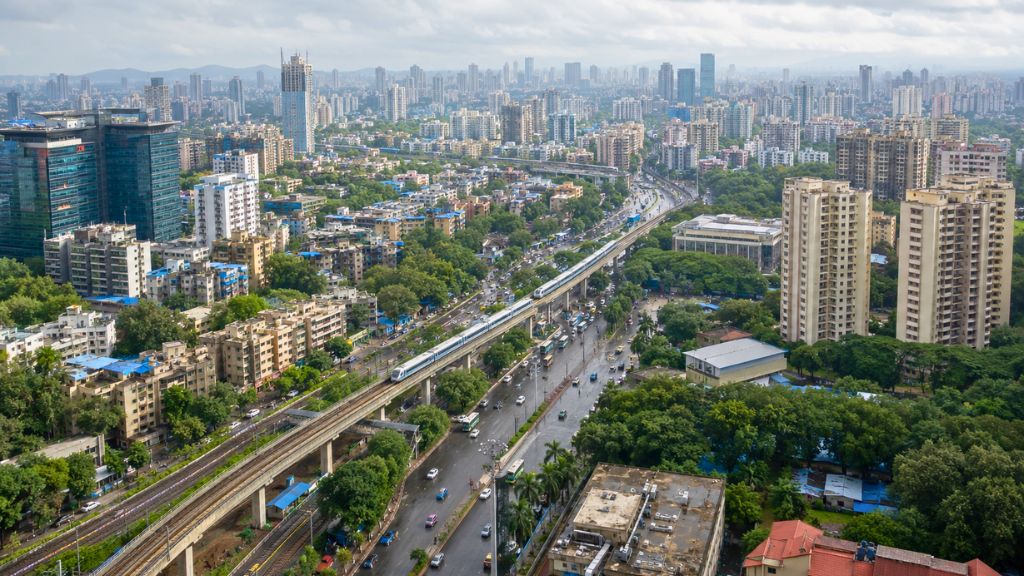
Table of Contents
Note: The figures mentioned in this article are based on publicly available market trends and general residential cost observations available in 2026. Property prices, rents, utility charges, and lifestyle expenses may change over time depending on market conditions and individual spending patterns.
Why the Cost of Living in Mumbai Is Higher Than Other Cities
Mumbai has limited residential space compared to the number of people moving into the city every year. Because of this, housing demand stays high across most parts of the Mumbai Metropolitan Region.
Commercial hubs such as BKC, Lower Parel, Powai, Andheri, and Nariman Point continue to attract professionals from finance, IT, media, consulting, and startup sectors. Residential demand around these locations directly affects rental prices.
Apart from rent, residents also spend more on:
- Daily commuting
- Electricity during summer
- Parking and maintenance charges
- Dining and entertainment
- Domestic help and convenience services
Even though public transport is relatively affordable, long travel distances and traffic congestion can still increase monthly expenses for many households.
Read More: Affordable vs Premium: A Real Estate Comparison of Mumbai’s Suburbs
Average Monthly Cost of Living in Mumbai
Cost of Living for a Single Person
For a single working professional or student, the monthly cost of living in Mumbai can vary between ₹30,000 and ₹60,000, depending on accommodation type and lifestyle choices.
A person living in a shared flat or PG accommodation in suburbs such as Borivali, Kandivali, or Navi Mumbai may spend less compared to someone renting a private 1 BHK apartment near Andheri, Powai, or Bandra.
A typical monthly budget for a single person usually includes:
- Rent
- Groceries and food
- Internet and mobile bills
- Public transport or cab expenses
- Dining out and entertainment
People who rely mostly on local trains and metro services generally manage lower monthly transport costs compared to daily cab users.
Cost of Living for Families
For families, monthly expenses rise mainly because of larger apartments, school fees, healthcare, and transportation requirements.
A middle-class family may require anywhere between ₹90,000 and ₹1.8 lakh or more every month depending on:
- Apartment size
- Schooling preferences
- Vehicle ownership
- Lifestyle spending
- Residential location
Families living in central Mumbai or premium western suburbs often experience higher monthly housing and maintenance expenses.
Mumbai Rent Prices in 2026
Rent Remains the Biggest Expense
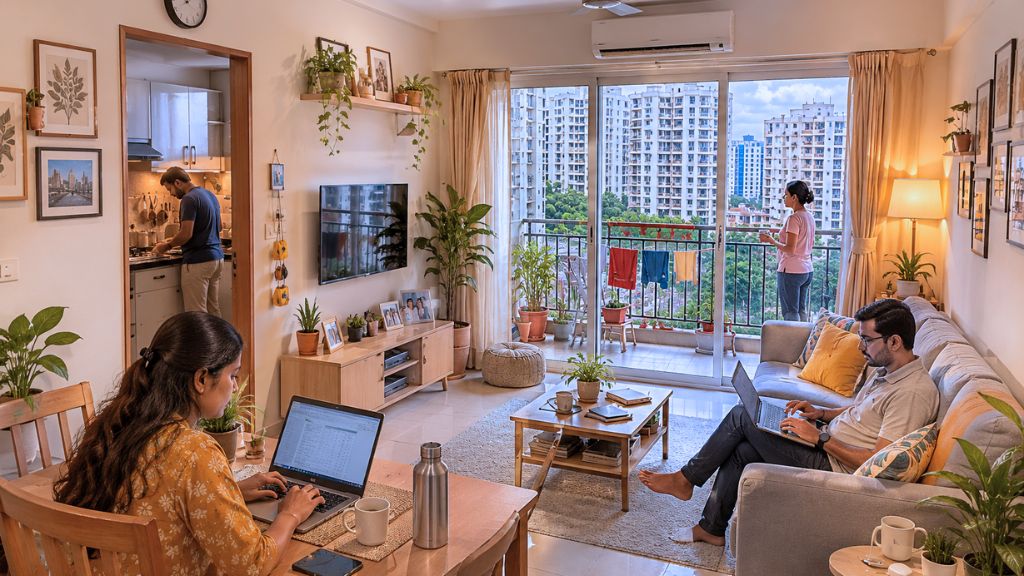
Housing continues to take the largest share of monthly income for most Mumbai residents.
Approximate rental ranges in 2026 include:
Shared Accommodation and PG Housing
Shared flats and PG rooms generally range between ₹8,000 and ₹25,000 per month depending on locality, furnishing, and included amenities.
1 BHK Apartment Rent
A 1 BHK apartment outside the city centre may cost around ₹10,000 to ₹30,000 per month. In business-focused or premium neighbourhoods, the same apartment type can go beyond ₹50,000.
2 BHK Apartment Rent
Families renting 2 BHK apartments in suburban areas may spend ₹35,000 to ₹60,000 monthly. In South Mumbai and prime western suburbs, rents can cross ₹1 lakh per month.
Many tenants now compare commute time along with rent before selecting a locality. Areas connected through metro lines and railway networks continue to see strong rental demand.
People searching for rental properties, apartments, or residential projects across Mumbai and Navi Mumbai often use platforms like Openplot to compare localities, connectivity, and available housing options.
How Different Areas of Mumbai Affect Living Costs
South Mumbai
South Mumbai remains one of the most expensive residential zones in the country. Areas such as Colaba, Marine Drive, and Malabar Hill have higher rental values because of limited inventory and established infrastructure.
Along with rent, residents here often spend more on:
- Maintenance charges
- Parking
- Dining
- Daily services
Western Suburbs
The western suburbs offer a wider mix of housing choices across different budgets.
Bandra and Juhu remain expensive because of their location and social infrastructure. Areas like Goregaon, Kandivali, and Borivali provide relatively affordable options while still maintaining railway and metro connectivity.
Andheri continues to attract professionals because of its access to offices, airports, and metro corridors.
Navi Mumbai and Harbour Line
Navi Mumbai has become an important residential choice for families and working professionals looking for larger homes at comparatively lower rents.
In many cases, apartments in Navi Mumbai are significantly cheaper than similar-sized homes within central Mumbai. Planned infrastructure and wider roads also attract long-term residents.
However, longer commute times may still be a factor for people working in South Mumbai or western commercial districts.
Read More: 2BHK vs 3BHK: What Should You Buy in ₹1 Crore Budget?
Daily Expenses Beyond Rent
Food and Grocery Costs
Monthly grocery expenses depend on family size, food preferences, and shopping habits.
A single individual may spend around ₹6,000 to ₹12,000 per month on groceries and household essentials. For families, this amount can increase substantially.
Dining out also adds to monthly expenses. Regular restaurant visits, food delivery apps, and café spending can increase budgets quickly in Mumbai.
Utilities and Internet Bills
Electricity bills in Mumbai often increase during summer because of air-conditioner usage.
Average monthly utility expenses may include:
- Electricity and water charges
- Cooking gas
- Internet connection
- Mobile bills
For many apartments, total utility costs can range between ₹3,000 and ₹6,000 or more depending on usage.
Transportation Costs
Mumbai’s local train network remains one of the most affordable commuting systems in India. Metro expansion has also improved connectivity in many suburban areas.
Residents using public transport regularly usually spend far less compared to people depending on:
- Cabs
- Ride-hailing apps
- Private vehicles
Fuel prices, tolls, and parking charges can significantly increase monthly transport expenses for car owners.
Things Residents Consider Before Choosing a Locality
In Mumbai, choosing the right location often matters more than choosing the biggest apartment. Many residents prefer locations that reduce travel time rather than moving farther away for slightly lower rent.
Before renting or buying a property, people usually compare:
- Distance from workplace
- Railway and metro access
- School and hospital connectivity
- Traffic conditions
- Monthly maintenance charges
- Water supply and parking availability
Property listing platforms such as Openplot help users compare residential areas, property types, and housing availability across Mumbai and nearby regions.
Final Thoughts
The cost of living in Mumbai in 2026 continues to vary widely based on housing choices, location, and lifestyle patterns. While premium neighbourhoods remain expensive, suburban areas and Navi Mumbai still offer relatively affordable housing options for tenants and families.
For most residents, rent and commuting remain the two biggest monthly expenses. Careful planning around locality selection, transport access, and housing type can help manage overall living costs more effectively.
Since rental markets and daily expenses continue to change with infrastructure growth and demand patterns, actual costs may differ over time across different parts of Mumbai.
Frequently Asked Questions
What is the average cost of living in Mumbai in 2026?
The average cost of living in Mumbai in 2026 depends on lifestyle, rental location, family size, and daily commuting expenses. A single person may require a moderate monthly budget, while families generally need significantly higher monthly spending due to rent, schooling, transportation, and household costs.
How much rent should I expect to pay in Mumbai?
Mumbai rent prices vary by locality, apartment size, building amenities, and connectivity. Rental costs in prime areas are usually much higher than suburban locations. Areas with metro or railway access often remain in high demand among working professionals and families.
Which areas in Mumbai are more affordable for renting?
Suburban areas and nearby regions with strong public transport connectivity are generally considered more affordable compared to premium South Mumbai locations. Many residents prefer locations that balance lower rent with reasonable daily commute times.
What is the monthly cost of living in Mumbai for a single person?
The monthly cost of living in Mumbai for a single person usually includes rent, groceries, utilities, transport, internet, and occasional dining out. Shared accommodation and public transport can help reduce overall monthly expenses considerably.
What is the monthly cost of living in Mumbai for a family?
The cost of living in Mumbai for a family depends heavily on housing type, school fees, transportation choices, healthcare expenses, and lifestyle preferences. Families living in larger apartments or using private vehicles often face higher monthly budgets.
How much do utilities cost in Mumbai per month?
Monthly utility expenses in Mumbai commonly include electricity, water, gas, internet, and mobile bills. Electricity costs may increase during summer due to higher air-conditioner usage, while internet and mobile expenses usually remain relatively stable.
Is public transport affordable in Mumbai?
Mumbai public transport remains one of the most economical commuting systems among Indian metro cities. Local trains, metro lines, and buses are widely used because they help reduce transportation costs compared to taxis or private vehicles.
How much does food and grocery shopping cost in Mumbai?
Monthly grocery costs in Mumbai depend on household size, eating habits, and product preferences. Cooking at home is generally more cost-effective than frequent restaurant visits or food delivery spending.
Are PG and co-living spaces cheaper in Mumbai?
PG accommodation and co-living spaces are usually more affordable than renting independent flats. These options are popular among students and young professionals because utilities and maintenance may sometimes be included in the monthly payment.
Is Mumbai more expensive than other Indian metro cities?
Mumbai is widely considered one of the most expensive cities in India, especially for housing and rental costs. However, overall living expenses may differ depending on neighbourhood selection, commute requirements, and lifestyle choices.
Are Mumbai rental prices increasing in 2026?
Rental prices and living expenses in Mumbai may change over time depending on property demand, infrastructure growth, inflation, and economic conditions. Prime residential areas and commercial hubs often experience stronger rental demand.
What are the one-time costs when moving to Mumbai?
People relocating to Mumbai may need to budget for security deposits, brokerage fees, advance rent, furniture setup, society charges, and shifting expenses. Initial move-in costs can therefore be much higher than regular monthly expenses.
Is it better to rent or buy property in Mumbai?
The decision to rent or buy property in Mumbai depends on long-term financial goals, property prices, loan eligibility, and preferred location. In some areas, home loan EMIs may approach rental costs, while ownership expenses remain substantially higher in premium localities.
How can I reduce my monthly living expenses in Mumbai?
People often reduce Mumbai living expenses by:
- choosing suburban locations,
- using public transport regularly,
- sharing accommodation,
- reducing unnecessary cab usage,
- controlling electricity consumption,
- and selecting homes near workplaces to save commute time and fuel costs.
Why do living costs vary so much across Mumbai?
Mumbai living costs vary because of differences in infrastructure, property demand, commercial development, transport connectivity, and neighbourhood popularity. Premium business districts and upscale residential areas generally have significantly higher housing and lifestyle expenses.
Are Mumbai living costs expected to change in the future?
Yes. The cost of living in Mumbai may continue to change due to inflation, infrastructure projects, fuel prices, rental demand, and economic conditions. Residents should always check updated market trends, rental listings, and utility charges before making relocation or budgeting decisions.