
A home is not just a structure built with walls, flooring, and furniture. It is a place where routines settle, families grow, and daily life takes shape over time. This is one reason why Vastu Shastra continues to remain relevant for many Indian homeowners, even in modern apartments and urban housing projects.
For some people, Vastu is connected with tradition and cultural beliefs. For others, it is more about creating a home with better light, ventilation, comfort, and balance. Interestingly, many Vastu tips overlap with practical architectural principles that improve the overall living experience.
Today, homebuyers browsing properties on platforms like Openplot often check details such as entrance direction, sunlight, room placement, and airflow before making a decision. While Vastu alone should never be the only factor when buying a property, understanding a few core principles can help buyers evaluate homes more thoughtfully.
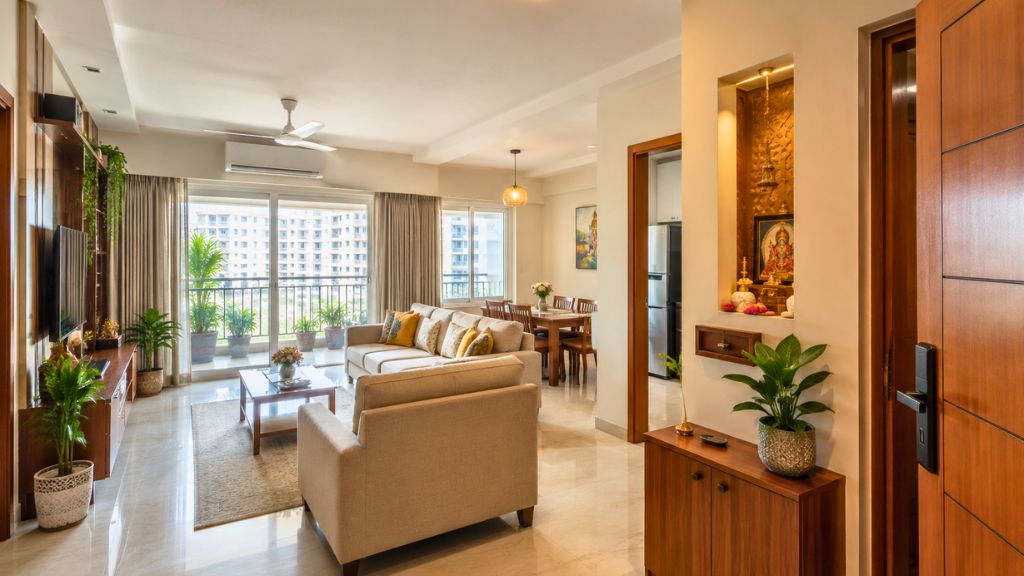
Table of Contents
A Home Feels Different When Natural Light and Space Work Together
The Importance of an Open and Well-Placed Entrance
The entrance is one of the first things people notice in a home. In Vastu, the main door is considered the point through which energy enters the house. In practical terms, it also affects ventilation, movement, and the overall feeling of openness.
Homes with clean, naturally lit entrances usually feel more welcoming than spaces that are dark or cramped. This is why many homebuyers prefer entrances that receive daylight and remain free from unnecessary obstructions.
An organized entryway can make even a compact apartment feel more comfortable. On the other hand, clutter near the door often creates visual congestion and reduces usable space.
Read More: Vastu Tips for Home Entrance: A Comprehensive Guide
Why Ventilation Still Matters in Modern Apartments
Urban homes today are becoming more compact, especially in metro cities. Because of this, ventilation has become more important than ever. Proper airflow helps maintain indoor comfort, reduces moisture buildup, and improves the overall atmosphere inside the house.
Many Vastu-friendly homes naturally support cross ventilation because of the way windows, balconies, and open areas are positioned. Buyers exploring apartments on Openplot often prioritize layouts that allow more natural light and airflow throughout the day.
Vastu Tips for Kitchen Placement Influences Daily Functionality
A Practical Kitchen Layout Creates Better Movement
Vastu traditionally considers the southeast direction suitable for kitchens because it represents the fire element. However, in modern homes, functionality matters just as much as direction.
A good kitchen should feel easy to work in. There should be enough ventilation near cooking areas, proper storage placement, and sufficient movement space. Even small apartments can feel efficient when the kitchen layout is thoughtfully designed.
Poorly ventilated kitchens often trap heat and cooking odors, making the space uncomfortable over time. This is why buyers increasingly look for modular kitchens with windows, exhaust systems, and practical layouts instead of focusing only on decorative interiors.
Dining Areas Should Feel Relaxed, Not Crowded
The dining space is where families spend time together every day. In many homes, the dining area is now integrated with the living room, especially in apartments.
Keeping this area uncluttered helps improve movement and creates a more open environment. Soft lighting, proper seating arrangement, and sufficient walking space often make a bigger difference than expensive décor.
Bedrooms Should Support Rest and Privacy
Sleeping Direction
Many people continue searching for the best sleeping direction according to Vastu. Traditionally, sleeping with the head towards the south or east is commonly recommended.
At the same time, comfort within the room matters far more in everyday life. Bedrooms with excessive furniture, poor ventilation, or harsh artificial lighting can affect sleep quality regardless of Vastu positioning.
A balanced bedroom usually includes:
- Comfortable airflow
- Minimal visual clutter
- Functional furniture placement
- Calm lighting conditions
Simple design choices often improve the overall feeling of the room without requiring major structural changes.
Avoid Turning Bedrooms Into Storage Spaces
One common issue in modern homes is overusing bedrooms for storage. Unused furniture, packed corners, and excessive overhead cabinets can make the room feel heavy and visually crowded.
Creating open movement space inside the bedroom helps maintain comfort, especially in compact urban apartments.
Small Interior Choices Can Change the Feel of a Home
Mirrors and Reflective Surfaces Need Careful Placement
Mirrors are frequently discussed in Vastu because they affect both light and visual balance within interiors. In practical home design, mirrors can make smaller rooms appear more spacious when positioned correctly.
However, oversized reflective surfaces in bedrooms can sometimes create discomfort, especially when directly facing the bed. This is why many interior designers prefer balanced placement instead of excessive use.
Clutter Quietly Affects Everyday Living
One of the most practical Vastu tips is maintaining an organized home. Clutter may seem minor initially, but over time, it affects cleaning, movement, storage efficiency, and even mental comfort.
Areas that usually benefit from regular organization include:
- Entrance passages
- Kitchen counters
- Balcony storage
- Under-bed spaces
- Utility corners
A well-maintained home often feels calmer and easier to manage, regardless of whether someone follows Vastu strictly.
Dedicated Quiet Spaces Add Emotional Balance
Pooja Corners Continue to Be Important in Indian Homes
Even in compact apartments, many families prefer keeping a dedicated prayer or meditation area. Traditionally, the northeast direction is considered suitable for spiritual spaces.
The actual size of the area matters less than the sense of calm and cleanliness it creates. A small organized corner often works better than a large decorative setup that remains unused.
Colors and Lighting Influence Mood More Than People Realize
Vastu often recommends lighter shades because they help interiors feel brighter and more open. Soft tones also reflect natural light better, especially in apartments with limited window space.
Warm lighting, neutral wall colors, and balanced décor usually create a more comfortable environment than overly dark or crowded interiors.
Vastu Is Only One Part of Choosing the Right Property
Modern Homebuyers Look for Practical Balance
Today’s property buyers are more informed than ever. While many still prefer Vastu-compliant homes, they also pay close attention to:
- Legal approvals
- Construction quality
- Water supply
- Connectivity
- Ventilation
- Builder reputation
- Long-term resale potential
This is where digital property platforms like Openplot become useful. Buyers can compare residential properties based on layout, location, amenities, and overall usability before making decisions.
A Perfect Vastu Home May Not Always Be Possible
In modern apartment living, especially in crowded cities, finding a property that follows Vastu tips exactly can be difficult. Instead of rejecting a home entirely because of a single directional issue, many buyers now focus on practical livability.
Good sunlight, efficient space planning, ventilation, and a comfortable environment often have a more noticeable impact on everyday life than rigid perfection.
Read More: Bhumi Pujan: Significance and Rituals Before Building a Home
Conclusion:
Vastu tips for home planning continue to influence Indian housing decisions because they combine traditional thinking with practical aspects of modern living. Concepts such as airflow, cleanliness, balanced interiors, and proper space usage remain useful regardless of personal belief systems.
A comfortable home is rarely created by direction alone. It comes from thoughtful planning, regular maintenance, natural light, and spaces that support everyday routines peacefully.
Whether you are purchasing your first apartment or upgrading to a larger home, evaluating properties carefully through platforms like Openplot can help you make more informed decisions based on both lifestyle needs and long-term usability.
Frequently Asked Questions
1. Which direction is best for a house entrance as per Vastu?
North, east, and northeast-facing entrances are generally considered auspicious in Vastu Shastra because they are believed to attract positive energy, prosperity, and natural light.
2. Which direction is ideal for the kitchen in a new house?
The southeast direction is considered best for the kitchen because it represents the fire element in Vastu tips.
3. Where should the pooja room be placed according to Vastu?
The northeast corner is considered the most suitable location for a pooja room or temple area in a home.
4. What is the best sleeping direction as per Vastu?
Sleeping with your head towards the south or east is commonly recommended for better sleep quality and mental peace.
5. Which house shapes are considered good in Vastu?
Square and rectangular house or plot shapes are considered ideal because they support balanced energy flow and practical space planning.
6. Can Vastu defects be corrected without demolition?
Yes. Many people search for simple Vastu tips, such as decluttering, changing room usage, adjusting furniture placement, adding plants, improving lighting, and using mirrors correctly without structural changes.
7. Which colors are best for a Vastu-compliant home?
Light and calming shades such as white, cream, beige, light green, yellow, and pastel tones are generally preferred in Vastu. Dark shades like black and navy blue are often avoided.
8. Where should mirrors be placed according to Vastu?
Mirrors are usually recommended on north or east walls. They should generally not face the bed directly in bedrooms.
9. Are Vastu tips important while buying a flat or apartment?
Many Indian homebuyers consider Vastu while purchasing flats because it is associated with positivity, resale value, natural ventilation, sunlight, and overall harmony in the living space.
10. What should be avoided in a Vastu-compliant home?
Commonly avoided things include broken furniture, clutter near the entrance, leaking taps, dark interiors, blocked entrances, and storing unused items under the bed.