
Buying a property is one of the biggest financial decisions a person makes. But payment alone does not establish legal ownership. You need a set of official documents that confirm your rights over the property. Without proper documentation, you can face disputes from previous owners, creditors, or government authorities. Incomplete paperwork also delays property sales, loan approvals, and legal transfers.
This guide explains every document you need to prove property ownership. It also covers how to recover missing documents and how to protect the ones you already have.
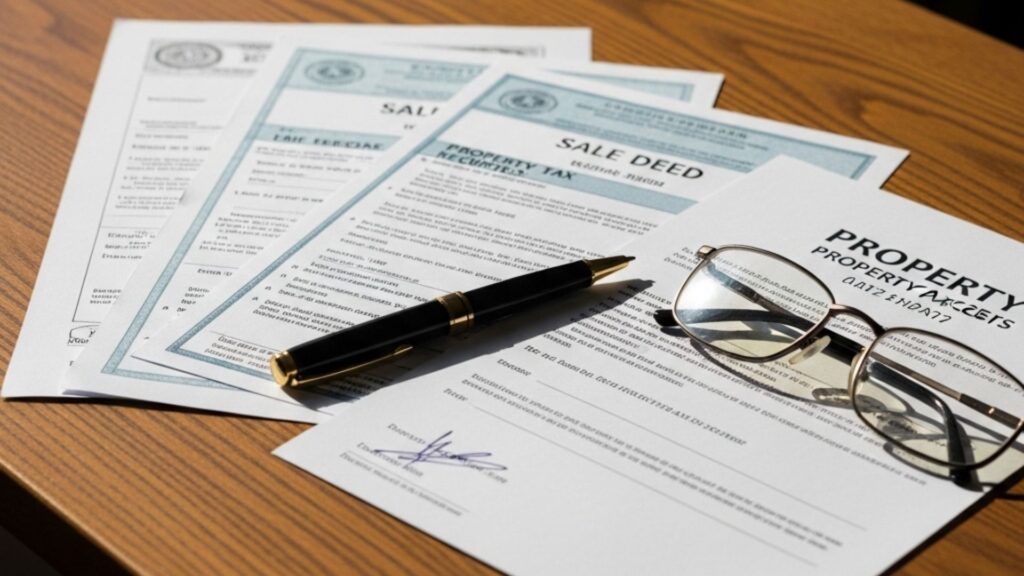
Table of Contents
Legal Documents Required to Purchase a Property
When you buy a property, you sign and receive several legal documents. Each one serves a specific purpose. Reviewing all of them before signing is not optional. It is a necessary step to protect your investment.
Many buyers focus only on the sale price and skip the paperwork review. This mistake leads to problems later, including title disputes, illegal construction penalties, or unpaid dues inherited from the previous owner.
Working with a real estate attorney at this stage is a practical decision. An attorney reads the legal terms, checks for hidden liabilities, and ensures the documents are properly executed. Their role is not just advisory. They can prevent errors that would take years and significant money to fix.
Sale Deed
The sale deed is the foundation of any property purchase. It is the legal document that records the transfer of ownership from the seller to you. It includes a detailed description of the property, the agreed sale price, and the identities of both parties.
A sale deed is only valid after it is registered with the local sub-registrar’s office. Without registration, it holds no legal standing. Once registered, it becomes a permanent record in the government’s property database. Always keep the original registered sale deed in a secure place.
Encumbrance Certificate
An encumbrance certificate tells you whether the property has any pending financial or legal liabilities. It records all transactions registered on the property, including mortgages, loans, and legal attachments. If a seller has taken a loan against the property and not repaid it, this certificate will show it.
Buying a property without checking this certificate is risky. You could unknowingly take on the previous owner’s debts. Always obtain the encumbrance certificate for at least the last 15 years before completing a purchase.
Building Plan Approval
Every construction must follow a plan approved by the local municipal authority. The building plan approval confirms that the layout, floor area, and design of the property match what the authority permitted. If a builder has added extra floors or structures without approval, this document will not cover those additions.
Unapproved construction can lead to demolition orders or heavy fines. Verifying this document before purchase helps you avoid inheriting someone else’s legal problem.
Completion Certificate
Once construction is finished, the builder or owner must apply for a completion certificate from the municipal authority. This certificate confirms that the construction was completed as per the approved plan and meets the required safety standards.
Without a completion certificate, the building is technically incomplete in the eyes of the law. Banks often refuse to approve home loans for properties that lack this document. It is one of the less discussed but very important ownership documents.
Certificate of Occupancy
The occupancy certificate is issued after the completion certificate and confirms that the building is ready for use. It verifies that the construction is safe, meets fire norms, and follows structural guidelines. You cannot legally move into or use a building without this certificate.
Many buyers overlook this document, especially in resale properties. If the previous owner never obtained it, you will face difficulties getting utilities connected, taking loans, or selling the property in the future.
Property Tax Receipts
Property tax receipts confirm that the owner has been paying taxes to the local municipal body on time. These receipts are one of the simplest ways to verify current ownership. The name on the receipts should match the name of the person selling the property.
Unpaid property taxes become a liability of the new owner after purchase. Always ask for receipts for at least the past five years and verify with the municipal office that no dues remain.
Khata Certificate and Extract
The Khata certificate is used in states like Karnataka, India. It registers the property in the municipal assessment records under the owner’s name. Without this document, you cannot pay property taxes, apply for building permits, or get water and electricity connections in your name.
The Khata extract provides detailed information about the property including its size, location, and use category. When buying resale property in Karnataka, ensure that the Khata is transferred to your name after purchase. Other Indian states have equivalent documents under different names.
No Objection Certificate
A No Objection Certificate, commonly called an NOC, confirms that a specific authority has no objection to the property transaction. Depending on the property type and location, you may need NOCs from the housing society, the pollution control board, the water authority, or other local departments.
Each NOC addresses a specific concern. The housing society NOC confirms no dues are pending with the apartment complex. The water authority NOC confirms no outstanding water bills. Missing even one required NOC can delay registration or create legal complications after purchase.
Mutation Register Extract
After a property is sold, the change of ownership must be updated in the local revenue records. This update is called mutation, and the mutation register extract is the document that confirms it has been done. Without mutation, the property remains listed under the previous owner’s name in government records.
This matters for tax purposes, legal recognition, and future sale transactions. If you buy a property and do not apply for mutation, the government will continue sending tax notices to the original owner. Always apply for mutation within 30 days of registration.
No-Due Certificate
The no-due certificate confirms that the seller has cleared all financial obligations related to the property. This includes maintenance charges, electricity bills, water bills, and any dues payable to the housing society or local body.
When you buy a property with outstanding dues, those liabilities transfer to you as the new owner. The housing society or utility provider will hold you responsible. Obtaining a no-due certificate before completing the purchase protects you from these inherited debts.
Essential Documents for Proof of Ownership
Once you own a property, certain documents serve as your primary proof of ownership. These are the documents you will need during loan applications, resale transactions, legal proceedings, and government verifications. Keeping them organized and safe is part of responsible property ownership.
Sale Deed
The registered sale deed remains the most important proof of ownership even after the purchase is complete. It is the document every authority, bank, and court will ask for first. If you ever face an ownership dispute, the sale deed is your strongest legal instrument.
The deed contains the exact boundaries of the property, the sale price, and the date of transfer. Any restriction or easement on the property is also recorded here. Treat this document with the same care you would give to your passport or birth certificate.
Property Tax Records
Property tax records maintained by the municipal body serve as ongoing proof of ownership. Each time you pay property tax, the receipt is issued in your name and linked to the property. Over years, this creates a documented history that establishes your continuous ownership.
These records are regularly requested during resale verifications, bank loan processing, and legal disputes. If your name on the tax records matches the sale deed, it significantly strengthens your ownership claim.
Title Insurance Policy
A title insurance policy protects you if a third party later claims ownership of your property based on a defect in the title history. For example, if a previous sale involved fraud or an undisclosed legal heir, you could face a legal challenge. Title insurance covers your legal costs in such situations.
It is not a mandatory document in India, but it is increasingly common among buyers of resale properties and properties with long ownership histories. Beyond legal protection, it also serves as additional evidence that a title search was conducted and cleared at the time of purchase.
Mortgage Documents
If you financed your property purchase through a bank loan, the mortgage documents form an important part of your ownership record. These documents include the loan agreement, the mortgage deed, and the list of property documents held by the bank as security.
The bank retains the original title documents while the loan is active. Once the loan is fully repaid, the bank releases all documents and issues a No Objection Certificate confirming the loan is closed. This release is critical. Without it, the property technically remains encumbered in the bank’s records.
Property Survey
A property survey is a technical document prepared by a licensed surveyor. It maps the exact boundaries of your property, marks the four corners, and records any structures on the land. This document is especially important for land and independent house owners.
Boundary disputes between neighbors are common, particularly in older localities where original boundaries were never formally recorded. A property survey resolves such disputes by providing a legally accepted measurement of your land. It can also reveal encroachments where a neighbor’s wall or structure has crossed into your property. Getting a fresh survey done before purchase saves you from inheriting these problems.
Homeowner’s Insurance Policy
A homeowner’s insurance policy covers the physical structure of your property against damage from fire, floods, earthquakes, and other risks. Beyond financial protection, it also serves as supporting evidence of ownership because insurance companies conduct their own verification before issuing a policy.
Your name, the property address, and the insured value are all recorded in the policy document. In legal proceedings or insurance claims, this document can corroborate your ownership. Keep the policy active and review the coverage amount every few years to make sure it reflects the current value of your property.
Additional Documents as Supporting Evidence
Apart from primary ownership documents, certain secondary records can strengthen your legal position. These documents do not replace the sale deed or title records, but they build a broader picture of your ownership, investment, and responsibility toward the property.
Utility Bills
Utility bills issued in your name at the property address are a practical form of supporting ownership evidence. They show that you are the person connected to the property for electricity, water, and gas services. Authorities and banks often ask for recent utility bills to confirm that you actively occupy or use the property.
If you have recently purchased the property, transfer the utility connections to your name as soon as possible. Having bills from the past six to twelve months available adds to your ownership documentation.
Home Improvement Receipts
Receipts for renovations, repairs, or upgrades you have made to the property demonstrate your financial involvement and active ownership. If you have paid a contractor to tile the kitchen, waterproof the terrace, or rewire the electrical system, those receipts are worth keeping.
In ownership disputes, a pattern of maintenance and improvement spending over time supports your claim. These receipts are also useful when making insurance claims after damage to the property. Maintaining a file of all improvement receipts, both physical and digital, is a habit worth developing from the day you take possession.
Property Maintenance Records
Records of routine maintenance work, such as annual servicing of elevators, pest control treatments, or plumbing repairs, show that you have been actively managing the property. For apartment owners, this includes receipts from the housing society for maintenance charges you have paid regularly.
When you sell the property, these records signal to the buyer that the property has been well cared for. They also make it easier to claim insurance if damage is discovered during ownership. Keep maintenance receipts organized by year so you can quickly present them when needed.
Property Appraisal Reports
A property appraisal report is an independent assessment of your property’s market value prepared by a licensed valuer. Banks require this report when processing home loans. It is also used in legal proceedings where the value of the property is disputed.
Beyond financial and legal purposes, an appraisal report confirms the identity, location, and ownership of the property at the time of assessment. If you have had multiple appraisals done over the years, the series of reports creates a documented ownership timeline. This can be valuable during estate planning or when partitioning property among legal heirs.
How to Obtain Missing Documents
Losing a property document is more common than most people expect. Floods, fires, relocations, and simple misplacement are frequent causes. The good news is that most property documents can be recovered through official channels. Acting quickly and knowing who to contact makes the recovery process much easier.
Retrace Your Steps First
Before contacting any authority, do a thorough search of all physical locations where you store important documents. Check bank lockers, filing cabinets, safes, and storage boxes. Also search digital copies in email, cloud storage, or document scanning apps. Many people discover missing documents are simply filed in the wrong folder.
Contact the Relevant Issuing Authority
Every property document has a specific issuing authority, and certified copies can usually be obtained by applying to them directly. For sale deeds, contact the sub-registrar’s office where the original deed was registered. For building approvals and occupancy certificates, approach the local municipal authority. For encumbrance certificates, the sub-registrar’s office maintains these records as well.
Most authorities allow you to apply for certified copies either in person or through their online portal. You will need to provide identification, the property details, and sometimes a notarized affidavit explaining the loss. Keep a record of your application reference number so you can follow up.
Work With a Real Estate Attorney
When multiple documents are missing or when the issuing authority’s process is complicated, working with a real estate attorney is the most efficient approach. An attorney knows which authority handles each document type and how to prepare the required applications correctly. They can also communicate with government offices on your behalf, which often speeds up the process.
In cases where documents are permanently lost due to a fire or natural disaster, an attorney can help you file a court application to obtain a certified order of ownership. This legal order can substitute for original documents in most official proceedings.
Use Title Companies
Title companies maintain detailed records of property ownership histories. They can search through historical records, revenue documents, and registration databases to locate copies of documents you no longer have. This service is particularly useful for properties that have changed hands multiple times over several decades.
Title companies can also issue a title report that summarizes the ownership history and documents the current legal status of the property. This report is widely accepted by banks, courts, and government authorities as evidence of ownership.
Tips for Safeguarding Property Ownership Documents
Protecting your property documents is as important as acquiring the property itself. Original documents lost due to negligence can take months or even years to replace. The inconvenience and cost of recovery far exceed the small effort required to store documents properly.
- Store all original documents in a fireproof safe at home or in a bank safety deposit box.
- Make certified photocopies of every document and store them separately from the originals.
- Scan all documents at high resolution and save digital copies in a secure, password-protected cloud storage service.
- Inform your spouse, family member, or attorney about the location of original documents.
- Review your document file every year to confirm that all records are current and accurate.
- After any major transaction, such as loan repayment or mutation, immediately file the new documents with the rest.
- If you ever misplace a document, file a police report and apply for a certified copy within the same week.
Conclusion
Proving property ownership is not a single document matter. It requires a set of legal records that together establish your rights over the property. The sale deed is the starting point, but documents like the encumbrance certificate, occupancy certificate, mutation extract, and tax receipts all play important roles.
Many ownership disputes and financial complications arise not from bad intentions but from incomplete paperwork. Buyers who invest time in verifying and collecting all required documents at the time of purchase avoid most of these problems entirely.
Once you have your documents, store them carefully and keep both physical and digital copies. If any document is missing, act quickly to recover it through the relevant authority or a real estate attorney. Proper documentation is not just a formality. It is the foundation of secure and dispute-free property ownership.
Frequently Asked Questions
What is the single most important document to prove property ownership?
The registered sale deed is the most important document. It is the primary legal record of the ownership transfer and carries the highest weight in any legal or financial proceeding. Without a registered sale deed, no other document can fully substitute as proof of ownership.
Can I use utility bills alone to prove I own a property?
No. Utility bills confirm that you are a resident or user of the property. They do not prove legal ownership. Ownership requires a registered sale deed along with tax records and title documents. Utility bills can support your claim but cannot replace primary legal documents.
What should I do immediately if I lose my sale deed?
File a First Information Report at your local police station as the first step. Then approach the sub-registrar’s office where the deed was originally registered and apply for a certified copy. Carry your identity proof, property details, and the police report when applying. The certified copy holds the same legal value as the original for most purposes.
Is title insurance worth getting for a resale property?
Yes, particularly for resale properties. Properties that have changed hands multiple times carry a higher risk of title defects, undisclosed legal heirs, or historical disputes. Title insurance covers your legal costs if any such issue surfaces after purchase. The premium is a one-time cost and the protection it offers lasts the lifetime of your ownership.
What is mutation and why does it matter after buying a property?
Mutation is the process of updating government revenue records to reflect your name as the new owner after a property purchase. Without mutation, the property remains listed under the previous owner’s name in official records. This affects tax notices, legal standing, and future sale transactions. Apply for mutation at your local tahsildar or revenue office within 30 days of registration.
Are the documents required for ownership proof the same across all Indian states?
The core documents such as the sale deed, encumbrance certificate, and occupancy certificate are required across all states. However, state-specific documents also apply. The Khata certificate is specific to Karnataka. Tamil Nadu has a Patta document. Andhra Pradesh and Telangana use a form called Pahani. Always consult a local property attorney to confirm which state-specific records apply to your purchase.
| Also read Joint Ownership of Property: How Many Types Before entering into such an agreement, home buyers should know and familiarize themselves with the basic principles of co-ownership of property. Types of joint ownership or co-ownership of property will be discussed in this article. Read it completely. What Is the Sales Agreement Format and Process? A contract of sale is the legal form you agree to start the property process when you buy a property or home. Sales Agreement format usually includes details such as the parties involved. A description of the property or home being sold, the price and any terms and conditions. Property Management: Everything You Need to Know Property management is the day-to-day supervision of residential, commercial, or industrial real estate by a third-party contractor. Such as rent collection, maintenance coordination, tenant communication, and financial reporting. |