
In 2026, plotted developments are becoming one of the most searched and discussed segments in Indian real estate. Buyers across metros and smaller cities are showing growing interest in ready-to-build residential plots located in planned communities. Between 2022 and May 2025, over 4.7 lakh residential plots were launched across India, with an estimated value of INR 2.44 lakh crore. Notably, 52% of this supply came from Tier-II and Tier-III cities, highlighting a clear shift in housing demand.
On platforms like Openplot, which focus on property listings, plotted developments are drawing attention from end users as well as long-term investors. Rising apartment prices, changing lifestyle needs, and better infrastructure outside city centers are shaping this trend.
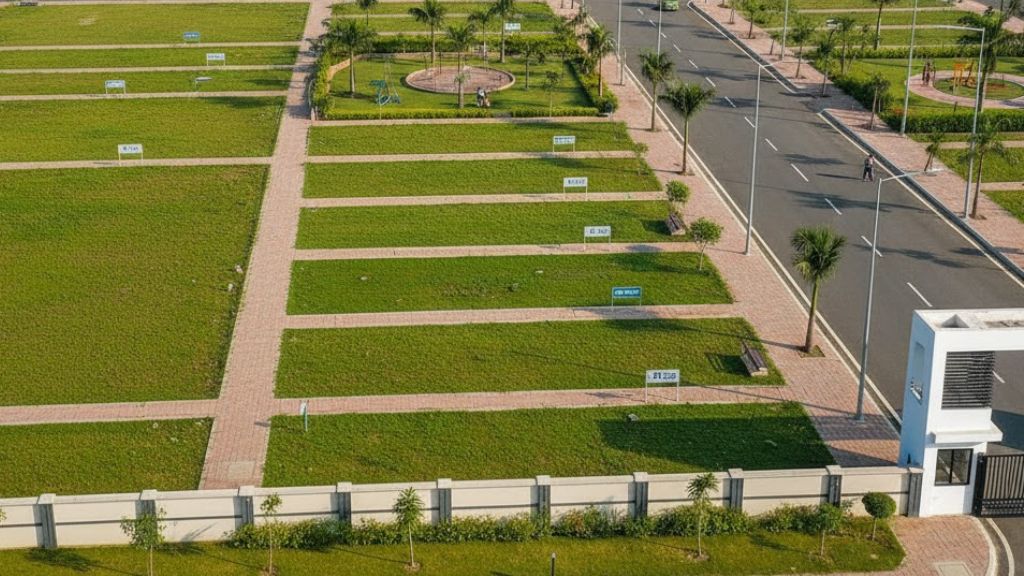
Table of Contents
What Are Plotted Developments?
Plotted developments are legally approved land parcels within a planned layout. Buyers purchase the land and can build a house later, at their own pace and design. Unlike apartments, there is no shared structure, fixed layout, or construction timeline imposed by a builder.
In 2026, many plotted projects come with basic infrastructure such as internal roads, drainage, water lines, electricity, gated entry, parks, and open spaces. Some premium layouts also offer clubhouses and walking tracks, bringing them closer to the comfort level of apartment complexes, without vertical living.
Shift in Buyer Preferences After COVID
One of the main reasons behind the rise of plotted developments is the change in buyer mindset after the pandemic. Families now give more value to personal space, privacy, and flexibility.
Apartment living often comes with fixed floor plans and limited scope for expansion. In contrast, plot owners have control over:
- Home design and layout
- Number of floors
- Construction timeline
- Future expansion based on family needs
With work-from-home and hybrid work becoming common, buyers prefer homes with extra rooms, open areas, and outdoor space, which is easier to plan on a residential plot.
Cost Difference Between Plots and Apartments
Affordability is another strong factor. In many locations, residential plots cost around 20% to 40% less upfront compared to apartments of similar size in the same or nearby area.
Apartments also involve recurring expenses such as:
- Monthly maintenance charges of INR 5 to INR 10 per sq ft in many high-rise projects
- Lift, common area, and facility costs
Plots generally do not have such monthly charges. Buyers can also build the house in phases, spreading construction costs over time, which helps manage cash flow better.
Investment Perspective: Plots vs Apartments
From an investment angle, land continues to be seen as a stable asset. In many suburban and peri-urban areas, plots have shown annual value growth in the range of 10% to 15%, while apartments in mature markets often see 6% to 8% growth, mainly due to supply volume and building age.
Land is a limited resource. As cities expand and infrastructure reaches outer areas, plotted layouts near highways, metro corridors, and new airports often gain attention. This scarcity factor supports long-term value, especially in growing zones around major cities.
Infrastructure Driving Plot Demand
Infrastructure development plays a major role in the popularity of plotted developments. New roads, metro lines, ring roads, and airport expansions are opening up areas that were earlier considered distant.
Examples include regions around New Chandigarh, Mohali Aerocity, Greater Noida, Navi Mumbai, North Bengaluru, and Hyderabad’s outer corridors. According to industry data, over 40% of recent land deals are linked to plotted projects, as these are faster to plan and execute compared to large apartment towers.
Improved connectivity allows buyers to live slightly away from crowded city centers without losing access to jobs and services.
Growth of Tier-II and Tier-III Cities
Tier-II and Tier-III cities now account for over half of new plotted supply. Cities such as Indore, Coimbatore, Trichy, Nagpur, Vijayawada, and Lucknow are seeing steady demand for residential plots.
These cities offer:
- Lower land prices compared to metros
- Better living space at similar budgets
- Growing employment hubs and education centers
Even the premium housing segment is expanding. Homes priced above INR 1 crore accounted for around 62% of sales between January and September 2025, and this trend is now extending to plotted villas and large residential plots.
Developer and Buyer Confidence
For developers, plotted projects involve shorter approval cycles and quicker sales compared to high-rise buildings, which often face construction delays. For buyers, projects by established developers bring better clarity on approvals, layout plans, and ownership records.
This transparency makes plotted developments suitable for different buyer types—those planning immediate construction, future self-use, or long-term holding.
Rental Trends and Ownership Costs
Rising rents across major cities are also influencing buying decisions.
Rental growth outlook for 2026:
- Mumbai: 5%–8%, with focus on suburbs like Navi Mumbai
- Delhi NCR: 7%–10%, driven by Greater Noida
- Bengaluru: 5%–7%, linked to IT zones
- Hyderabad: 7%–10%, along new infrastructure corridors
Higher rents increase the total cost of living, pushing families to consider land ownership outside core city areas.
Additionally, brokerage fees add to purchase costs. Buyers often pay 1% to 2% of property value plus 18% GST. On a INR 2 crore property, this can add up to INR 4.72 lakh at 2%, making direct listing platforms more attractive.
Changing Rental Rules in 2026
Under updated rental guidelines, residential security deposits are capped at two months’ rent, while commercial deposits can go up to six months. In states like Maharashtra, the shift from three months to two months is ongoing, along with mandatory registration and digital stamping. Non-compliance can attract penalties of INR 5,000.
Why Plotted Developments Matter in 2026
To summarize, plotted developments in India are gaining attention due to:
- Lower entry cost compared to apartments
- Flexibility in construction and design
- Better space and privacy
- Strong demand in Tier-II and Tier-III cities
- Support from expanding infrastructure
As housing needs evolve and buyers seek control, stability, and long-term value, residential plots are emerging as a practical choice in 2026. For users exploring verified listings, platforms like Openplot make it easier to compare locations, prices, and layouts in one place, helping buyers make informed decisions.