
Property improvement projects are often described using terms like renovation, reconstruction, and restoration. While these words are sometimes used interchangeably, they refer to very different types of construction work. The difference affects project cost, structural work, approvals, timelines, resale value, and even property listing details.
For homeowners, real estate investors, developers, and buyers, understanding these terms helps in making informed decisions before starting a project or purchasing a property. It is also important for property listings on platforms like Openplot, where accurate property descriptions help maintain listing transparency and compliance standards.
Construction methods, regulations, and costs may vary depending on location, property condition, and changing government policies. The information below is based on publicly available industry knowledge and may change over time.
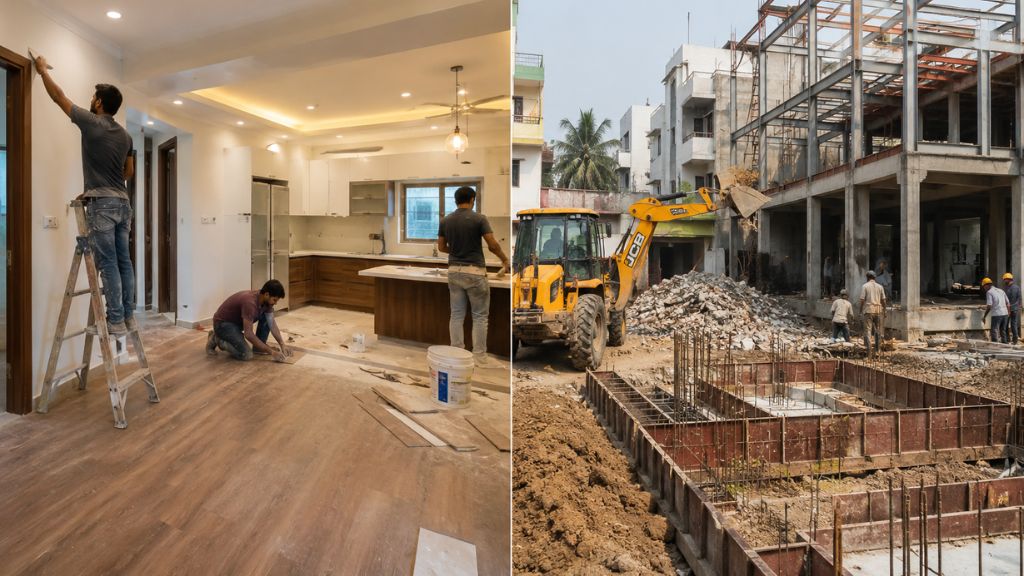
Table of Contents
Understanding the Difference Between Renovation and Reconstruction
The main difference between renovation and reconstruction lies in the condition of the existing structure and the extent of construction work involved.
Renovation improves an existing property while keeping the primary structure intact. Reconstruction involves demolishing part or all of the building and rebuilding it again.
In simple terms, renovation upgrades what already exists, while reconstruction creates a new structure because the old one can no longer function properly or safely.
What Renovation Usually Involves
Renovation focuses on improving the appearance, comfort, and functionality of a property without changing its core structural system. The original walls, foundation, and layout usually remain largely unchanged.
Common renovation work may include:
- Replacing flooring and wall finishes
- Updating kitchens and bathrooms
- Installing new lighting systems
- Repainting interiors and exteriors
- Replacing doors and windows
- Upgrading plumbing or electrical fixtures
- Adding modular storage and fittings
Most apartment upgrades and residential interior projects fall under renovation.
What Reconstruction Means in Construction
Reconstruction is a larger and more technical process. It usually starts with demolition and continues with rebuilding the structure from the foundation level or major structural components.
Reconstruction may be required when:
- A building becomes structurally unsafe
- Fire or flood damage is severe
- The structure is too old for practical repair
- Major layout changes are planned
- Redevelopment regulations support rebuilding
Unlike renovation, reconstruction allows complete freedom in planning a new layout and structural design.
How Restoration Is Different From Renovation
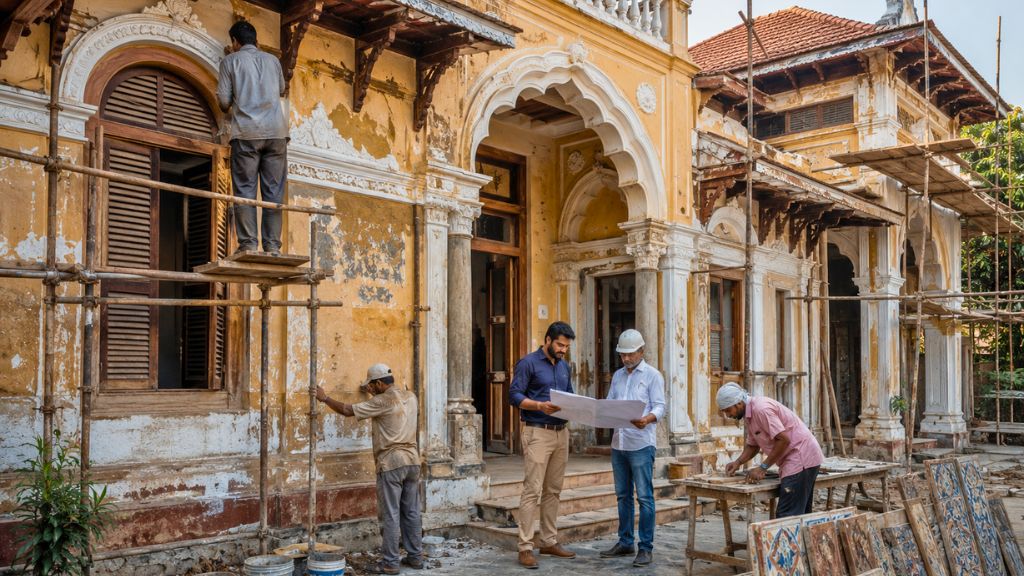
Restoration and renovation are often confused because both improve older properties. However, their purpose is very different.
Renovation focuses on modernization, while restoration focuses on preserving the original character and historical appearance of a building.
This distinction is important for heritage homes, old bungalows, colonial-era properties, and historically significant buildings.
The Main Goal of Property Restoration
Restoration aims to return a property to its original condition using historically accurate materials and techniques wherever possible.
A restoration project may include:
- Repairing original wooden doors and windows
- Preserving old stone or tile flooring
- Recreating historical wall textures
- Restoring decorative ceilings and moldings
- Using traditional paint colors and finishes
In some locations, restoration work may also require approval from heritage or municipal authorities.
Why Renovation Is More Flexible
Renovation gives property owners more freedom to modernize spaces based on current lifestyle needs.
For example, renovation may include:
- Open kitchen layouts
- Modern wardrobes and storage units
- Energy-efficient lighting
- Smart home systems
- Contemporary bathroom fittings
The focus is on convenience, functionality, and improved property usability rather than preserving historical accuracy.
Structural Impact and Design Limitations
The level of structural involvement is one of the biggest differences between renovation and reconstruction.
Renovation Works Around Existing Structures
During renovation, the existing framework usually remains in place. This means the project must adapt to the current structural design.
Certain modifications may be limited because of:
- Load-bearing walls
- Existing plumbing routes
- Beam placement
- Ceiling height restrictions
- Older electrical systems
This is why some older properties cannot be fully modernized without entering reconstruction territory.
Reconstruction Allows Complete Redesign
Reconstruction provides the opportunity to redesign the property from the ground up.
Property owners may be able to:
- Change room layouts completely
- Improve ventilation and lighting
- Add floors where permitted
- Introduce earthquake-resistant construction
- Build modern parking and utility areas
- Improve energy efficiency standards
For redevelopment projects, reconstruction often provides better long-term flexibility and compliance with current construction norms.
Cost, Timeline, and Approval Differences
The budget and execution process vary significantly across renovation, reconstruction, and restoration projects.
Renovation Is Usually Faster and More Affordable
Since renovation keeps the main structure intact, labor and material costs are generally lower compared to reconstruction.
However, actual renovation costs may still depend on factors such as:
- Material quality
- Property size
- Interior customization
- Electrical and plumbing upgrades
- Local labor rates
Smaller renovation projects may finish within days or weeks, while larger projects can take several months.
Reconstruction Requires Higher Investment
Reconstruction involves demolition, structural engineering, foundation work, and extensive rebuilding. Because of this, the overall project cost is usually much higher.
The process may also involve:
- Architectural planning
- Structural approvals
- Municipal permissions
- Soil and foundation assessment
- Utility reconnections
Timelines for reconstruction projects are typically much longer than standard renovation work.
Restoration Can Involve Specialized Costs
Restoration projects may require skilled craftsmen, custom materials, and preservation techniques that are not commonly used in modern construction.
In heritage properties, restoration costs can increase because original materials may be difficult to source or recreate.
Read More: Property Disaster Risk Assessment India 2026
Choosing the Right Option for Your Property
The right approach depends on the building condition, budget, property goals, and legal requirements.
When Renovation Is the Better Choice
Renovation is often suitable when:
- The structure is stable
- The layout still works well
- Only interiors look outdated
- Faster project completion is needed
- Budget constraints exist
For many homeowners and resale property investors, renovation improves property appeal without major structural work.
When Reconstruction Becomes Necessary
Reconstruction may be the better option when:
- Structural damage is extensive
- Repair costs become impractical
- Safety concerns exist
- Major design changes are required
- The existing structure no longer meets current standards
In some urban redevelopment zones, reconstruction may also increase property utility and future resale value.
When Restoration Should Be Considered
Restoration is ideal for preserving:
- Heritage homes
- Historical buildings
- Architecturally unique properties
- Traditional design elements
In many cases, maintaining historical character can also support long-term cultural and property value.
Important Things to Check Before Starting a Property Project
Before beginning renovation, reconstruction, or restoration work, property owners should evaluate both technical and legal aspects carefully.
Conduct a Structural Assessment First
A professional structural inspection helps determine whether the building can safely support renovation or if reconstruction is necessary.
Ignoring structural issues can create future safety and compliance problems.
Verify Local Building Regulations
Construction rules differ across cities and property categories. Before starting work, it is important to check:
- Municipal approval requirements
- Demolition permissions
- Heritage regulations
- Floor space limits
- Occupancy certification rules
Property laws and approval processes may change over time depending on local authority updates.
Maintain Accurate Property Information in Listings
For property listing platforms like Openplot, accurate project descriptions help buyers understand whether a property is newly reconstructed, recently renovated, or historically restored.
Clear property information improves buyer trust and helps maintain transparent real estate listings.
Conclusion
Renovation, reconstruction, and restoration each serve a different purpose in property improvement. Renovation upgrades an existing structure, reconstruction rebuilds a property after major structural removal, and restoration preserves historical character and authenticity.
The right choice depends on the condition of the building, long-term property goals, local regulations, and available budget. Before beginning any major project, property owners should consult qualified architects, engineers, contractors, and local authorities to understand the technical and legal requirements involved.
Since construction costs, municipal rules, and redevelopment policies can change over time, project decisions should always be based on current professional guidance and location-specific regulations.
Read More: General Low-Budget Interior Design: Affordable Ideas for Stylish Indian Homes
Frequently Asked Questions
How do I know whether my property needs renovation or reconstruction?
A structural inspection is usually the best way to determine this. If the building foundation and main framework are stable, renovation may be enough. If there are serious structural cracks, severe water damage, or safety risks, reconstruction may be required.
Does reconstruction increase property value more than renovation?
In some cases, reconstruction may increase long-term property value because the building becomes structurally newer and more modern. However, the actual value depends on location, construction quality, legal approvals, and market demand.
Can renovation change the layout of a house?
Minor layout modifications are possible during renovation, but major structural changes may require reconstruction or additional engineering approvals. Changes involving load-bearing walls usually need professional assessment.
Is restoration only meant for heritage properties?
No. Restoration is commonly associated with heritage buildings, but it can also apply to older residential homes where owners want to preserve original architectural details and traditional craftsmanship.
Which project type usually requires more government approvals?
Reconstruction generally requires more permissions because it involves demolition, structural work, and rebuilding. Renovation projects may require fewer approvals unless they involve major electrical, plumbing, or structural modifications.
Can old apartments be reconstructed individually?
In many apartment societies, individual owners cannot reconstruct units independently because the structure is shared. Major reconstruction projects usually require society approvals, builder coordination, and municipal permissions.
What are common risks during property renovation projects?
Common challenges include hidden plumbing damage, outdated wiring, moisture problems, delayed material delivery, and unexpected repair costs discovered after work begins.
Is restoration more expensive than renovation?
Restoration can sometimes cost more because it may require specialized labor, traditional building methods, and hard-to-find materials that match the original property design.
Can reconstruction improve building safety standards?
Yes. Reconstructed buildings can incorporate updated engineering methods, earthquake-resistant designs, improved electrical systems, and modern construction materials that meet current building regulations.